Privacy Policy
- Introduzione e panoramica
- Ambito di applicazione
- Basi giuridiche
- Dati di contatto del titolare del trattamento
- Periodo di conservazione
- Diritti ai sensi del Regolamento generale sulla protezione dei dati
- Sicurezza del trattamento dei dati
- Comunicazione
- Web hosting
- Cookies
- Informativa sulla privacy di Amazon Web Services (AWS)
- Informativa sulla privacy del Facebook Pixel
- Informativa sulla privacy di Google Analytics
- Informativa sulla privacy di Google Tag Manager
- Marketing via e-mail
- Notifiche push
- Marketing online
- Tracciamento delle conversioni di Google Ads (Google AdWords)
- Informativa sulla privacy di Microsoft Advertising
- Informativa sulla privacy di Cookiebot
- Social Media
- Informativa sulla privacy di Google Maps
Introduzione e panoramica
Abbiamo redatto la presente informativa sulla privacy (versione 09/08/2021-321293269) per spiegarti, in conformità ai requisiti del Regolamento (UE) 2016/679 e delle leggi nazionali applicabili, quali dati personali (di seguito “dati”) noi, in qualità di titolare del trattamento, e i responsabili del trattamento da noi incaricati (ad es. fornitori), trattiamo e tratteremo in futuro, nonché quali opzioni legali hai a disposizione. I termini utilizzati devono essere intesi come neutri rispetto al genere.
In breve: ti forniamo informazioni complete sui dati che trattiamo su di te.
Le informative sulla privacy sono generalmente molto tecniche e utilizzano terminologia giuridica. Tuttavia, la presente informativa sulla privacy ha lo scopo di spiegarti gli aspetti più importanti nel modo più semplice e trasparente possibile. Laddove ciò contribuisca alla trasparenza, i termini tecnici vengono spiegati in modo comprensibile per il lettore, vengono forniti collegamenti a ulteriori informazioni e vengono utilizzate grafiche. Con la presente ti informiamo in modo chiaro e semplice che, nell’ambito delle nostre attività commerciali, trattiamo i dati personali solo quando esiste un’adeguata base giuridica. Ciò non sarebbe possibile se fornissimo spiegazioni brevi, poco chiare e tecniche come quelle spesso presenti su Internet in materia di protezione dei dati. Ci auguriamo che le seguenti spiegazioni siano interessanti e utili e che tu possa trovare anche informazioni nuove.
Se hai ancora domande, ti invitiamo a contattare il responsabile indicato di seguito o nella nota legale, a seguire i collegamenti disponibili e a consultare ulteriori informazioni sui siti web di terze parti. I nostri recapiti si trovano naturalmente anche nella nota legale.
Ambito di applicazione
La presente informativa sulla privacy si applica a tutti i dati personali trattati da noi all’interno della nostra azienda e a tutti i dati personali trattati da aziende da noi incaricate (responsabili del trattamento). Per dati personali intendiamo informazioni ai sensi dell’art. 4, paragrafo 1, del GDPR, come ad esempio il nome, l’indirizzo e-mail e l’indirizzo postale di una persona. Il trattamento dei dati personali ci consente di offrire e fatturare i nostri servizi e prodotti, sia online che offline. L’ambito di applicazione della presente informativa sulla privacy comprende:
- tutte le presenze online (siti web, negozi online) da noi gestite
- presenze sui social media e comunicazione via e-mail
- app mobili per smartphone e altri dispositivi
In breve: la presente informativa sulla privacy si applica a tutte le aree in cui i dati personali vengono trattati sistematicamente all’interno dell’azienda tramite i canali sopra menzionati. Qualora dovessimo instaurare rapporti giuridici con te al di fuori di questi canali, ti informeremo separatamente, se necessario.
Basi giuridiche
Nella seguente informativa sulla privacy ti forniamo informazioni trasparenti sui principi giuridici e sulle disposizioni, ovvero le basi giuridiche ai sensi del Regolamento generale sulla protezione dei dati, che ci consentono di trattare i dati personali.
Per quanto riguarda il diritto dell’UE, facciamo riferimento al REGOLAMENTO (UE) 2016/679 DEL PARLAMENTO EUROPEO E DEL CONSIGLIO del 27 aprile 2016.
Il regolamento generale sulla protezione dei dati dell’UE è naturalmente consultabile online su EUR-Lex, il portale di accesso al diritto dell’Unione europea, all’indirizzo: https://eur-lex.europa.eu/legal-content/DE/TXT/?uri=celex%3A32016R0679 consult.
Trattiamo i tuoi dati solo se è soddisfatta almeno una delle seguenti condizioni:
- Consenso (articolo 6, paragrafo 1, lettera a) del GDPR): hai dato il tuo consenso al trattamento dei dati per una finalità specifica. Un esempio sarebbe la conservazione dei dati che inserisci in un modulo di contatto.
- Contratto (articolo 6, paragrafo 1, lettera b) del GDPR): per adempiere a un contratto o a obblighi precontrattuali con te, trattiamo i tuoi dati. Ad esempio, se concludiamo un contratto di acquisto con te, abbiamo bisogno di informazioni personali in anticipo.
- Obbligo legale (articolo 6, paragrafo 1, lettera c) del GDPR): se siamo soggetti a un obbligo legale, trattiamo i tuoi dati. Ad esempio, siamo legalmente tenuti a conservare le fatture a fini contabili. Queste contengono generalmente dati personali.
- Interessi legittimi (articolo 6, paragrafo 1, lettera f) del GDPR): in caso di interessi legittimi che non limitano i tuoi diritti fondamentali, ci riserviamo il diritto di trattare i dati personali. Ad esempio, dobbiamo trattare alcuni dati per poter gestire il nostro sito web in modo sicuro ed efficiente. Questo trattamento costituisce pertanto un interesse legittimo.
Altre condizioni, come il trattamento per l’esecuzione di un compito di interesse pubblico o nell’esercizio di pubblici poteri, nonché la tutela di interessi vitali, generalmente non si applicano nel nostro caso. Qualora una tale base giuridica dovesse comunque essere rilevante, verrà indicata nel punto appropriato.
Oltre al regolamento dell’UE, si applicano anche le leggi nazionali:
- In Austria, si tratta della legge federale sulla protezione delle persone fisiche con riguardo al trattamento dei dati personali (Legge sulla protezione dei dati), in breve DSG.
- In Germania si applica la legge federale sulla protezione dei dati, in breve BDSG.
Se si applicano ulteriori leggi regionali o nazionali, ti informeremo nelle sezioni seguenti.
Dati di contatto del titolare del trattamento
Se hai domande in materia di protezione dei dati, troverai di seguito i dati di contatto della persona o dell’ente responsabile:

Periodo di conservazione
Conserviamo i dati personali solo per il tempo strettamente necessario alla fornitura dei nostri servizi e prodotti. Questo è un principio generale che applichiamo. Ciò significa che cancelliamo i dati personali non appena viene meno la finalità del loro trattamento. In alcuni casi, siamo legalmente obbligati a conservare determinati dati anche dopo la cessazione della finalità originaria, ad esempio per motivi contabili.
Se richiedi la cancellazione dei tuoi dati o revochi il tuo consenso al trattamento dei dati, i dati saranno eliminati il più rapidamente possibile, a condizione che non vi sia alcun obbligo legale di conservarli.
Di seguito vi informeremo sulla durata specifica del rispettivo trattamento dei dati, qualora disponiamo di ulteriori informazioni al riguardo.
Diritti ai sensi del Regolamento generale sulla protezione dei dati (GDPR)
Ai sensi dell’articolo 13 del GDPR, avete diritto ai seguenti diritti per garantire un trattamento dei dati equo e trasparente:
- Ai sensi dell’articolo 15 del GDPR, avete il diritto di ottenere informazioni sul fatto che trattiamo dati che vi riguardano. Se così fosse, avete il diritto di ricevere una copia dei dati e di ottenere le seguenti informazioni:
- per quale finalità effettuiamo il trattamento;
- le categorie, ossia i tipi di dati trattati;
- chi riceve tali dati e, nel caso in cui i dati vengano trasferiti verso paesi terzi, come possa essere garantita la loro sicurezza;
- per quanto tempo i dati saranno conservati;
- l’esistenza del diritto di rettifica, cancellazione o limitazione del trattamento, nonché del diritto di opposizione al trattamento;
- che potete presentare un reclamo a un’autorità di controllo (i link a tali autorità sono disponibili di seguito);
- la fonte dei dati, qualora non li abbiamo raccolti direttamente presso di voi;
- se viene effettuata la profilazione, ossia se i dati vengono valutati automaticamente per creare un profilo personale su di voi.
- Ai sensi dell’articolo 16 del GDPR, avete il diritto di rettifica dei vostri dati, il che significa che dobbiamo correggere i dati qualora individuiate eventuali errori.
- Ai sensi dell’articolo 17 del GDPR, avete il diritto alla cancellazione (“diritto all’oblio”), il che significa che potete richiedere la cancellazione dei vostri dati.
- Ai sensi dell’articolo 18 del GDPR, avete il diritto di limitazione del trattamento, il che significa che siamo autorizzati soltanto a conservare i dati ma non più a utilizzarli.
- Ai sensi dell’articolo 19 del GDPR, avete il diritto alla portabilità dei dati, il che significa che dobbiamo fornirvi i vostri dati, su richiesta, in un formato di uso comune.
- Ai sensi dell’articolo 21 del GDPR, avete il diritto di opposizione, il quale, una volta esercitato, comporta una modifica del trattamento dei vostri dati.
- Se il trattamento dei vostri dati si basa sull’articolo 6, paragrafo 1, lettera e) (interesse pubblico, esercizio di pubblici poteri) o sull’articolo 6, paragrafo 1, lettera f) (interessi legittimi), potete opporvi al trattamento. In tal caso verificheremo il più rapidamente possibile se possiamo accogliere tale opposizione ai sensi della legge.
- Se i dati vengono utilizzati per finalità di marketing diretto, potete opporvi in qualsiasi momento a questo tipo di trattamento dei dati. In tal caso non potremo più utilizzare i vostri dati per il marketing diretto.
- Se i dati vengono utilizzati per la profilazione, potete opporvi in qualsiasi momento a questo tipo di trattamento dei dati. In tal caso non potremo più utilizzare i vostri dati per la profilazione.
- Ai sensi dell’articolo 22 del GDPR, potete avere il diritto di non essere soggetti a una decisione basata esclusivamente su un trattamento automatizzato (ad esempio, la profilazione).
In breve: avete dei diritti – non esitate a contattare il titolare del trattamento indicato sopra!
Se ritenete che il trattamento dei vostri dati violi la normativa sulla protezione dei dati o che i vostri diritti in materia di protezione dei dati siano stati lesi in altro modo, potete presentare un reclamo all’autorità di controllo. In Austria, si tratta dell’Autorità per la protezione dei dati, il cui sito web è disponibile all’indirizzo [https://www.dsb.gv.at/](https://www.dsb.gv.at/). In Germania, ogni Land dispone della propria autorità di controllo per la protezione dei dati. Per ulteriori informazioni potete rivolgervi al Commissario federale per la protezione dei dati e la libertà d’informazione (BfDI). La seguente autorità locale per la protezione dei dati è competente per la nostra azienda:
|
Autorità per la protezione dei dati della Renania Settentrionale-Vestfalia (North Rhine-Westphalia Data Protection Authority) Commissaria statale per la protezione dei dati: Bettina Gayk Indirizzo: Kavalleriestraße 2-4, 40213 Düsseldorf Numero di telefono: 02 11/384 24-0 E-Mail: poststelle@ldi.nrw.de Website: https://www.ldi.nrw.de/ |
Sicurezza del trattamento dei dati
Per proteggere i dati personali, abbiamo adottato misure tecniche e organizzative. Ove possibile, crittografiamo o pseudonimizziamo i dati personali. In tal modo, rendiamo il più difficile possibile, nei limiti delle nostre capacità, per terzi risalire a informazioni personali a partire dai nostri dati.
L’articolo 25 del GDPR fa riferimento alla “protezione dei dati fin dalla progettazione e per impostazione predefinita”, il che significa che sia il software (ad es. i moduli) sia l’hardware (ad es. l’accesso alla sala server) devono sempre tenere conto della sicurezza e devono essere adottate misure adeguate. Di seguito illustreremo, ove necessario, anche misure specifiche in modo più dettagliato.
Crittografia TLS con HTTPS
TLS, crittografia e HTTPS suonano molto tecnici—e lo sono. Utilizziamo HTTPS (Hypertext Transfer Protocol Secure) per trasmettere i dati in modo sicuro su Internet, proteggendoli da eventuali intercettazioni.
Ciò significa che l’intera trasmissione di tutti i dati dal vostro browser al nostro server web è protetta – nessuno può “intercettarla”.
Ciò ci fornisce un ulteriore livello di sicurezza e garantisce il rispetto della protezione dei dati fin dalla progettazione (articolo 25, paragrafo 1, GDPR). Utilizzando TLS (Transport Layer Security), un protocollo di crittografia per la trasmissione sicura dei dati su Internet, possiamo garantire la protezione dei dati confidenziali.
Potete riconoscere l’uso di questa sicurezza nella trasmissione dei dati dal piccolo simbolo del lucchetto.
nell’angolo in alto a sinistra del vostro browser, accanto all’indirizzo Internet (ad es. example.com) e dall’utilizzo dello schema https (anziché http) nell’indirizzo del nostro sito web.
Se desiderate saperne di più sulla crittografia, vi consigliamo di utilizzare Google e cercare “Hypertext Transfer Protocol Secure wiki” per trovare link utili con ulteriori informazioni.
Comunicazione
|
Sintesi della comunicazione 👥 Interessati: chiunque comunichi con noi tramite telefono, e-mail o modulo online. 📓Dati trattati: ad es. numero di telefono, nome, indirizzo e-mail, dati inseriti nei moduli. Maggiori dettagli sono disponibili in relazione al rispettivo tipo di contatto utilizzato. 🤝 Finalità: gestione della comunicazione con clienti, partner commerciali, ecc. 📅 Periodo di conservazione: durata del rapporto commerciale e degli obblighi di legge. ⚖️ Basi giuridiche: art. 6, par. 1, lett. a) GDPR (consenso), art. 6, par. 1, lett. b) GDPR (contratto), art. 6, par. 1, lett. f) GDPR (interessi legittimi). |
Se ci contattate e comunicate con noi tramite telefono, e-mail o modulo online, ciò può comportare il trattamento di dati personali.
I dati vengono trattati per la gestione e l’elaborazione della vostra richiesta e della relativa operazione commerciale. I dati vengono conservati per il tempo necessario o per il periodo richiesto dalla legge.
Interessati
Tutti gli individui che entrano in contatto con noi tramite i canali di comunicazione da noi messi a disposizione sono interessati dai suddetti trattamenti.
Telefono
Se ci contattate telefonicamente, i dati della chiamata vengono memorizzati in forma pseudonimizzata sul rispettivo dispositivo e dal provider di telecomunicazioni utilizzato. Inoltre, dati come nome e numero di telefono possono successivamente essere inviati via e-mail e conservati allo scopo di rispondere alla richiesta. I dati vengono cancellati non appena il caso commerciale è stato completato e le disposizioni di legge lo consentono.
Se comunicate con noi via e-mail, i dati possono essere memorizzati sul rispettivo dispositivo finale (computer, laptop, smartphone, ecc.) e sul server di posta elettronica. I dati vengono cancellati non appena il caso commerciale è stato completato e le disposizioni di legge lo consentono.
Moduli online
Se comunicate con noi tramite un modulo online, i dati vengono memorizzati sul nostro server web e possono essere inoltrati a uno dei nostri indirizzi e-mail. I dati vengono cancellati non appena il caso commerciale è stato completato e le disposizioni di legge lo consentono.
Basi giuridiche
Il trattamento dei dati si basa sulle seguenti basi giuridiche:
- Art. 6, par. 1, lett. a) GDPR (consenso): ci fornite il vostro consenso alla memorizzazione dei vostri dati e al loro ulteriore utilizzo per finalità connesse al caso commerciale;
- Art. 6, par. 1, lett. b) GDPR (contratto): è necessario per l’esecuzione di un contratto con voi o con un incaricato del trattamento, come ad esempio il fornitore di servizi telefonici, oppure dobbiamo trattare i dati per attività precontrattuali, come la preparazione di un’offerta;
- Art. 6, par. 1, lett. f) GDPR (interessi legittimi): intendiamo gestire le richieste dei clienti e la comunicazione commerciale in modo professionale. A tal fine sono necessari determinati sistemi tecnici, come programmi di posta elettronica, server Exchange e operatori di rete mobile, per garantire una comunicazione efficiente.
Webhosting
|
Sintesi del web hosting 👥 Interessati: visitatori del sito web 🤝 Finalità: hosting professionale del sito web e garanzia di un funzionamento sicuro. 📓Dati trattati: indirizzo IP, orario della visita al sito web, browser utilizzato e altri dati. Maggiori dettagli sono disponibili di seguito o presso il rispettivo fornitore di web hosting utilizzato. 📅 Periodo di conservazione: dipende dal rispettivo fornitore, ma di norma 2 settimane. ⚖️ Base giuridica: art. 6, par. 1, lett. f) GDPR (interessi legittimi). |
Che cos’è il web hosting?
Quando visitate i siti web oggi, alcune informazioni – inclusi dati personali – vengono generate e memorizzate automaticamente, e ciò vale anche per questo sito web. Questi dati devono essere trattati nel modo più parsimonioso possibile e solo se giustificati. Per sito web si intende l’insieme di tutte le pagine web sotto un dominio, cioè tutto, dalla homepage fino all’ultima sottopagina (come questa). Per dominio si intende, ad esempio, example.com o sampleexample.com.
Se desiderate visualizzare un sito web su uno schermo, utilizzate un programma chiamato browser web. Probabilmente conoscete già alcuni browser web: Google Chrome, Microsoft Edge, Mozilla Firefox e Apple Safari.
Questo browser web deve connettersi a un altro computer su cui è memorizzato il codice del sito web: il server web. Gestire un server web è un compito complesso e impegnativo, motivo per cui di solito viene affidato a fornitori professionali. Questi fornitori offrono servizi di web hosting e garantiscono l’archiviazione affidabile e priva di errori dei dati del sito web.
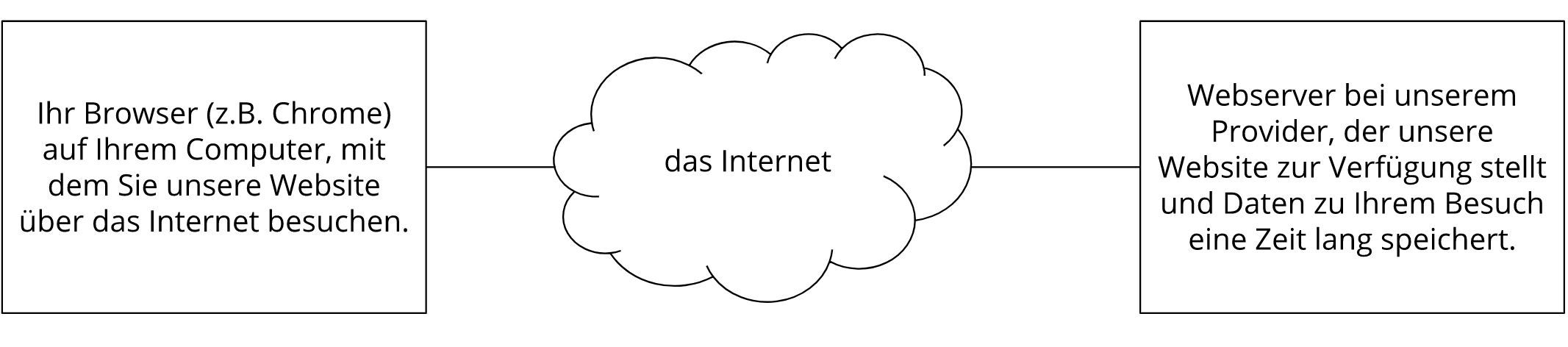
Quando il vostro browser sul computer (desktop, laptop, smartphone) si collega al server web e durante la trasmissione dei dati da e verso il server web, possono essere trattati dati personali. Da un lato, il vostro computer memorizza dati e, dall’altro, anche il server web deve memorizzare temporaneamente dati per garantire il corretto funzionamento. A titolo illustrativo, si veda la seguente immagine:
Perché trattiamo i dati personali?
Le finalità del trattamento dei dati sono:
- Hosting professionale del sito web e garanzia di un funzionamento sicuro.
- per mantenere la sicurezza operativa e informatica
- analisi anonima del comportamento di accesso per migliorare i nostri servizi e, se necessario, per l’esecuzione della legge o la rivendicazione di diritti.
Quali dati vengono trattati?
- l’indirizzo Internet completo (URL) della pagina web visitata (ad es. [https://www.beispielwebsite.de/beispielunterseite.html?tid=321293269](https://www.beispielwebsite.de/beispielunterseite.html?tid=321293269))
- browser e versione del browser (ad es. Chrome 87)
- sistema operativo utilizzato (ad es. Windows 10)
- l’indirizzo (URL) della pagina visitata in precedenza (referrer URL) (ad es. [https://www.beispielquellsite.de/vondabinichgekommen.html/](https://www.beispielquellsite.de/vondabinichgekommen.html/))
- il nome host e l’indirizzo IP del dispositivo da cui viene effettuato l’accesso (ad es. COMPUTERNAME e 194.23.43.121)
- Data e ora
- nei file, noti come file di log del server web
Per quanto tempo vengono conservati i dati?
Di norma, i dati sopra menzionati vengono conservati per due settimane e successivamente cancellati automaticamente. Non condividiamo questi dati, ma non si può escludere che possano essere consultati dalle autorità in caso di comportamento illecito.
In breve: la vostra visita viene registrata dal nostro provider (l’azienda che gestisce il nostro sito web su computer speciali (server)), ma non condividiamo i vostri dati senza consenso.
Base giuridica
La liceità del trattamento dei dati personali nell’ambito del web hosting deriva dall’art. 6, par. 1, lett. f) GDPR (interessi legittimi), poiché l’utilizzo di un hosting professionale tramite un provider è necessario per presentare l’azienda su Internet in modo sicuro e user-friendly e per poter rilevare e, se necessario, perseguire attacchi e relative rivendicazioni.
Cookies
Sintesi dei cookie 👥 Interessati: visitatori del sito web 🤝 Finalità: dipende dal rispettivo cookie. Maggiori dettagli sono disponibili di seguito o presso il fornitore del software che imposta il cookie. 📓 Dati trattati: dipende dal rispettivo cookie utilizzato. Maggiori dettagli sono disponibili di seguito o presso il fornitore del software che imposta il cookie. 📅 Durata di conservazione: dipende dal rispettivo cookie e può variare da poche ore a diversi anni. ⚖️ Basi giuridiche: art. 6, par. 1, lett. a) GDPR (consenso), art. 6, par. 1, lett. f) GDPR (interessi legittimi). |
Cosa sono i cookie?
Il nostro sito web utilizza cookie HTTP per memorizzare dati specifici dell’utente. Di seguito spieghiamo cosa sono i cookie e perché vengono utilizzati, in modo che possiate comprendere meglio l’informativa sulla privacy riportata di seguito.
Ogni volta che navigate in Internet, utilizzate un browser. I browser più comuni includono Chrome, Safari, Firefox, Internet Explorer e Microsoft Edge. La maggior parte dei siti web memorizza piccoli file di testo nel vostro browser. Questi file si chiamano cookie.
Una cosa non si può negare: i cookie sono piccoli strumenti davvero utili. Quasi tutti i siti web utilizzano cookie. Più precisamente si tratta di cookie HTTP, poiché esistono anche altri tipi di cookie per diverse applicazioni. I cookie HTTP sono piccoli file che vengono memorizzati sul vostro computer dal nostro sito web. Questi file cookie vengono automaticamente salvati nella cartella dei cookie, che è in pratica il “cervello” del vostro browser. Un cookie è composto da un nome e da un valore. Quando si definisce un cookie, devono essere specificati anche uno o più attributi aggiuntivi.
I cookie memorizzano determinati dati dell’utente su di voi, come la lingua o le impostazioni personali della pagina. Quando visitate nuovamente il nostro sito, il vostro browser invia queste informazioni “relative all’utente” al nostro sito web. Grazie ai cookie, il nostro sito web sa chi siete e vi fornisce le impostazioni a cui siete abituati. In alcuni browser, ogni cookie ha un proprio file; in altri, come Firefox, tutti i cookie vengono memorizzati in un unico file.
La seguente immagine mostra una possibile interazione tra un browser web come Chrome e il server web. Il browser web richiede un sito web e riceve un cookie dal server, che il browser utilizza nuovamente quando viene richiesta un’altra pagina.
Esistono sia cookie di prima parte sia cookie di terze parti. I cookie di prima parte vengono creati direttamente dal nostro sito web, mentre i cookie di terze parti vengono creati da siti partner (ad es. Google Analytics). Ogni cookie deve essere valutato singolarmente, poiché ciascun cookie memorizza dati diversi. Anche il tempo di scadenza di un cookie varia, da pochi minuti a diversi anni. I cookie non sono programmi software e non contengono virus, trojan o altri “malware”. I cookie inoltre non possono accedere alle informazioni presenti sul vostro PC.
Ecco come possono apparire, ad esempio, i dati dei cookie:
Name: _ga Value : GA1.2.1326744211.152321293269-9 Finalità: distinguere i visitatori del sito web Data di scadenza: dopo 2 anni |
Un browser dovrebbe essere in grado di supportare almeno le seguenti dimensioni minime:
- At least 4096 Bytes pro Cookie
- At least 50 Cookies pro Domain
- At least 3000 Cookies insgesamt
Quali tipi di cookie esistono?
Si possono distinguere quattro tipi di cookie:
Cookie essenziali
Questi cookie sono necessari per garantire le funzioni di base del sito web. Ad esempio, sono necessari quando un utente aggiunge un prodotto al carrello, continua a navigare su altre pagine e procede al checkout solo in un secondo momento. Grazie a questi cookie, il carrello non viene eliminato anche se l’utente chiude la finestra del browser.
Cookie funzionali: questi cookie raccolgono informazioni sul comportamento dell’utente e sull’eventuale presenza di messaggi di errore. Vengono inoltre utilizzati per misurare i tempi di caricamento e il comportamento del sito web nei diversi browser.
Cookie di targeting: questi cookie migliorano la facilità d’uso. Ad esempio, vengono memorizzati luoghi inseriti, dimensioni del carattere o dati dei moduli.
Cookie pubblicitari: questi cookie sono anche chiamati cookie di targeting. Vengono utilizzati per mostrare all’utente pubblicità personalizzata. Questo può essere molto utile, ma anche piuttosto fastidioso.
Di solito, quando visitate un sito web per la prima volta, vi viene chiesto quali di questi tipi di cookie desiderate consentire. E naturalmente, questa decisione viene anch’essa memorizzata in un cookie.
Di solito, quando visitate un sito web per la prima volta, vi viene chiesto quali di questi tipi di cookie desiderate consentire. E naturalmente, questa decisione viene anch’essa memorizzata in un cookie. https://tools.ietf.org/html/rfc6265, il Request for Comments della Internet Engineering Task Force (IETF) intitolato “HTTP State Management Mechanism”.
Finalità del trattamento tramite cookie
La finalità dipende in ultima analisi dal rispettivo cookie. Maggiori dettagli sono disponibili di seguito o presso il fornitore del software che imposta il cookie.
Quali dati vengono trattati?
Durata di conservazione dei cookie
Hai anche tu il controllo sulla durata di conservazione. Puoi eliminare manualmente tutti i cookie in qualsiasi momento tramite il tuo browser (vedi anche “Diritto di opposizione” di seguito). Inoltre, i cookie basati sul consenso vengono eliminati al più tardi dopo la revoca del consenso, fermo restando che la liceità della conservazione fino a quel momento rimane invariata.
Diritto di opposizione – come posso eliminare i cookie?
Siete voi a decidere come e se desiderate utilizzare i cookie. Indipendentemente dal servizio o sito web da cui provengono i cookie, avete sempre la possibilità di eliminarli, disattivarli o consentirli solo in parte. Ad esempio, potete bloccare i cookie di terze parti consentendo al contempo tutti gli altri cookie.
Se desiderate sapere quali cookie sono memorizzati nel vostro browser o se volete modificare o eliminare le impostazioni dei cookie, potete farlo nelle impostazioni del vostro browser:
- Chrome: eliminare e gestire i cookie in Chrome
- Safari: gestione dei cookie e dei dati dei siti web con Safari
- Firefox: eliminare i cookie per rimuovere i dati che i siti web hanno memorizzato sul vostro computer
- Internet Explorer: eliminazione e gestione dei cookie
- Microsoft Edge: eliminazione e gestione dei cookie
Se in generale non desiderate i cookie, potete configurare il vostro browser in modo da essere sempre avvisati quando sta per essere impostato un cookie. In questo modo potete decidere per ogni singolo cookie se consentirlo o meno. La procedura varia a seconda del browser. È consigliabile cercare istruzioni su Google utilizzando termini di ricerca come “eliminare cookie Chrome” o “disattivare cookie Chrome” nel caso del browser Chrome.
Base giuridica
Dal 2009 esistono le cosiddette “direttive sui cookie”. Esse stabiliscono che la memorizzazione dei cookie richiede il vostro consenso (articolo 6, paragrafo 1, lettera a) del GDPR). Tuttavia, all’interno dei paesi dell’UE esistono ancora approcci molto diversi a tali direttive. In Austria, questa direttiva è stata recepita nella sezione 96, paragrafo 3, della legge sulle telecomunicazioni (TKG). In Germania, la direttiva sui cookie non è stata recepita come legge nazionale. È stata invece in gran parte attuata nella sezione 15, paragrafo 3, della legge sui media telematici (TMG).
Per i cookie strettamente necessari, anche in assenza di consenso, sussistono interessi legittimi (articolo 6, paragrafo 1, lettera f) GDPR), che nella maggior parte dei casi sono di natura economica. Desideriamo offrire ai visitatori del sito web un’esperienza utente piacevole e, a tal fine, alcuni cookie sono spesso assolutamente necessari.
Nella misura in cui vengono utilizzati cookie non essenziali, ciò avviene solo con il vostro consenso. La base giuridica in questo caso è l’art. 6, par. 1, lett. a) GDPR.
Nelle sezioni seguenti sarete informati più in dettaglio sull’uso dei cookie, nella misura in cui il software utilizzato impieghi cookie.
Informativa sulla privacy di Amazon Web Services (AWS)
Utilizziamo Amazon Web Services (AWS) per il nostro sito web, tra l’altro come provider di web hosting. Il fornitore del servizio è la società americana Amazon Web Services, Inc., 410 Terry Avenue North, Seattle, WA 98109, USA.
Desideriamo segnalare che, secondo il parere della Corte di giustizia europea, al momento non esiste un livello adeguato di protezione per i trasferimenti di dati verso gli USA. Il trattamento dei dati è effettuato principalmente da Amazon Web Services (AWS). In alcuni casi, ciò può comportare che i dati non vengano trattati e memorizzati in forma anonima. Inoltre, le autorità governative statunitensi potrebbero potenzialmente accedere a singoli dati. Può inoltre accadere che tali dati vengano collegati con dati provenienti da altri servizi Amazon per i quali disponete di un account utente.
Ulteriori informazioni sui dati trattati tramite l’utilizzo di Amazon Web Services (AWS) sono disponibili nell’informativa sulla privacy a https://aws.amazon.com/de/privacy/ .
Informativa sulla privacy del Facebook Pixel
Utilizziamo il Facebook Pixel di Facebook sul nostro sito web. A tal fine, abbiamo integrato un codice sul nostro sito. Il Facebook Pixel è uno script JavaScript che carica una serie di funzioni che consentono a Facebook di tracciare le vostre azioni utente, a condizione che siate arrivati al nostro sito tramite annunci Facebook. Ad esempio, se acquistate un prodotto sul nostro sito, il Facebook Pixel viene attivato e memorizza le vostre azioni sul nostro sito in uno o più cookie. Questi cookie consentono a Facebook di associare i vostri dati utente (dati cliente come indirizzo IP, ID utente) ai dati del vostro account Facebook. Facebook elimina successivamente questi dati. I dati raccolti sono per noi anonimi e non accessibili, e vengono utilizzati esclusivamente per la visualizzazione di pubblicità. Se siete utenti Facebook e avete effettuato l’accesso, la vostra visita al nostro sito viene automaticamente associata al vostro account Facebook.
Desideriamo mostrare i nostri servizi e prodotti solo alle persone che sono realmente interessate. Con l’aiuto del Facebook Pixel, le nostre misure pubblicitarie possono essere meglio adattate ai vostri desideri e interessi. In questo modo, agli utenti Facebook (a condizione che abbiano consentito la pubblicità personalizzata) vengono mostrati annunci pertinenti. Inoltre, Facebook utilizza i dati raccolti per scopi di analisi e per le proprie campagne pubblicitarie.
Di seguito vi mostriamo i cookie impostati su una pagina di test tramite l’integrazione del Facebook Pixel. Si prega di notare che si tratta solo di cookie di esempio. A seconda della vostra interazione con il nostro sito web, possono essere impostati cookie diversi.
|
Name: _fbp Value : fb.1.1568287647279.257405483-6321293269-7 Finalità: questo cookie viene utilizzato da Facebook per mostrare prodotti pubblicitari. Data di scadenza: dopo 3 mesi Name: fr Value: 0aPf312HOS5Pboo2r..Bdeiuf…1.0.Bdeiuf. Finalità: questo cookie viene utilizzato per garantire il corretto funzionamento del Facebook Pixel. Data di scadenza: dopo 3 mesi Name: comment_author_50ae8267e2bdf1253ec1a5769f48e062321293269-3 Valore: nome dell’autore Finalità: questo cookie memorizza il testo e il nome di un utente che, ad esempio, lascia un commento. Data di scadenza: dopo 12 mesi Name: comment_author_url_50ae8267e2bdf1253ec1a5769f48e062 Value: https%3A%2F%2Fwww.testseite…%2F (URL des Autors) Finalità: questo cookie memorizza l’URL del sito web che l’utente inserisce in un campo di testo sul nostro sito web. Data di scadenza: dopo 12 mesi Name: comment_author_email_50ae8267e2bdf1253ec1a5769f48e062 Valore: indirizzo e-mail dell’autore Finalità: questo cookie memorizza l’indirizzo e-mail dell’utente, se è stato fornito sul sito web. Data di scadenza: dopo 12 mesi |
Nota: i cookie sopra elencati si riferiscono al comportamento individuale degli utenti. In particolare, nell’utilizzo dei cookie non si possono escludere in qualsiasi momento modifiche da parte di Facebook.
Se avete effettuato l’accesso a Facebook, potete gestire le vostre preferenze pubblicitarie in… https://www.facebook.com/ads/preferences/?entry_product=ad_settings_screen …modificarle autonomamente. Se non siete utenti Facebook, potete andare su… http://www.youronlinechoices.com/de/praferenzmanagement/ gestire in generale la pubblicità online basata sull’utilizzo. Lì avete la possibilità di attivare o disattivare i fornitori.
Desideriamo segnalare che, secondo il parere della Corte di giustizia europea, al momento non esiste un livello adeguato di protezione per i trasferimenti di dati verso gli Stati Uniti. Il trattamento dei dati avviene principalmente tramite il Facebook Pixel. In alcuni casi, ciò può comportare che i dati non vengano trattati e memorizzati in forma anonima. Inoltre, le autorità governative statunitensi possono, se del caso, accedere a singoli dati. Può inoltre accadere che tali dati vengano collegati con dati provenienti da altri servizi Facebook nei quali l’utente dispone di un account.
Se desiderate saperne di più sulle pratiche di protezione dei dati di Facebook, vi consigliamo l’informativa sulla privacy della società all’indirizzo… https://www.facebook.com/policy.php.
Informativa sulla privacy di Google Analytics
Sintesi dell’informativa sulla privacy di Google Analytics
|
Che cos’è Google Analytics?
Utilizziamo lo strumento di analisi e tracciamento Google Analytics (GA) della società americana Google LLC sul nostro sito web. Per la regione europea, Google Ireland Limited (Gordon House, Barrow Street, Dublin 4, Irlanda) è responsabile di tutti i servizi Google. Google Analytics raccoglie dati sulle vostre azioni sul nostro sito web. Ad esempio, se cliccate su un link, questa azione viene memorizzata in un cookie e inviata a Google Analytics. Utilizzando i report che riceviamo da Google Analytics, possiamo adattare meglio il nostro sito web e i nostri servizi alle vostre esigenze. Di seguito spieghiamo più nel dettaglio lo strumento di tracciamento e vi informiamo in particolare su quali dati vengono memorizzati e su come potete impedirlo.
Google Analytics è uno strumento di tracciamento utilizzato per analizzare il traffico sul nostro sito web. Affinché Google Analytics funzioni, viene integrato un codice di tracciamento nel codice del nostro sito web. Quando visitate il nostro sito, questo codice registra diverse azioni che svolgete sul sito. Non appena lasciate il nostro sito web, questi dati vengono inviati ai server di Google Analytics e lì memorizzati.
Google elabora i dati e noi riceviamo report sul vostro comportamento utente. Questi report possono includere, tra le altre cose:
- Report sul pubblico: tramite i report sul pubblico conosciamo meglio i nostri utenti e otteniamo una comprensione più precisa di chi è interessato ai nostri servizi.
- Report pubblicitari: i report pubblicitari ci consentono di analizzare e migliorare più facilmente la nostra pubblicità online.
- Report di acquisizione: i report di acquisizione ci forniscono informazioni utili su come possiamo attrarre più persone verso i nostri servizi.
- Report sul comportamento: qui scopriamo come interagite con il nostro sito web. Possiamo tracciare il percorso che seguite sul sito e quali link cliccate.
- Report sulle conversioni: una conversione è un processo in cui si compie un’azione desiderata a seguito di un messaggio di marketing. Ad esempio, quando si passa da semplice visitatore del sito a cliente o iscritto alla newsletter. Grazie a questi report apprendiamo come vengono recepite le nostre misure di marketing da parte vostra. In questo modo, puntiamo ad aumentare il nostro tasso di conversione.
- Report in tempo reale: qui possiamo vedere immediatamente cosa sta accadendo sul nostro sito web in un determinato momento. Ad esempio, possiamo vedere quanti utenti stanno attualmente leggendo questo testo.
Perché utilizziamo Google Analytics sul nostro sito web?
I dati analizzati statisticamente ci forniscono un quadro chiaro dei punti di forza e di debolezza del nostro sito web. Da un lato, possiamo ottimizzare il nostro sito in modo che sia più facilmente trovato su Google da persone interessate. Dall’altro, i dati ci aiutano a comprendere meglio voi come visitatori. In questo modo sappiamo con precisione cosa dobbiamo migliorare sul nostro sito per offrirvi il miglior servizio possibile. I dati ci aiutano inoltre a svolgere le nostre attività pubblicitarie e di marketing in modo più mirato ed economico. In definitiva, ha senso mostrare i nostri prodotti e servizi solo alle persone realmente interessate.
Quali dati vengono memorizzati da Google Analytics?
Per analizzare il nostro sito web con Google Analytics, deve essere inserito un ID proprietà nel codice di tracciamento. I dati vengono quindi memorizzati nella relativa proprietà. Per ogni proprietà appena creata, la proprietà Google Analytics 4 è quella predefinita. In alternativa, può essere creata anche una proprietà Universal Analytics. A seconda della proprietà utilizzata, i dati vengono conservati per periodi di tempo differenti.
Le vostre interazioni sul nostro sito web vengono misurate tramite identificatori come cookie e ID di istanza dell’app. Le interazioni includono tutti i tipi di azioni che svolgete sul nostro sito web. Se utilizzate anche altri sistemi Google (ad es. un account Google), i dati generati tramite Google Analytics possono essere collegati a cookie di terze parti. Google non condivide i dati di Google Analytics a meno che noi, in qualità di gestori del sito, lo autorizziamo. Possono esserci eccezioni nel caso in cui ciò sia richiesto dalla legge.
|
I seguenti cookie vengono utilizzati da Google Analytics: Name: _ga Value: 2.1326744211.152321293269-5 Finalità: per impostazione predefinita, analytics.js utilizza il cookie _ga per memorizzare l’ID utente. Viene generalmente utilizzato per distinguere i visitatori del sito web. Data di scadenza: dopo 2 anni Name: _gid Value: 2.1687193234.152321293269-1 Finalità: anche questo cookie viene utilizzato per distinguere i visitatori del sito web. Data di scadenza: dopo 24 ore Name: _gat_gtag_UA_<property-id> Value: 1 Finalità: utilizzato per ridurre la frequenza delle richieste. Se Google Analytics viene fornito tramite Google Tag Manager, questo cookie si chiama *dc_gtm*<property-id>. Data di scadenza: dopo 1 minuto Name: AMP_TOKEN Data di scadenza: dopo 1 minuto Finalità: il cookie contiene un token utilizzato per recuperare un ID utente dal servizio AMP Client ID. Altri valori possibili indicano un logout, una richiesta o un errore. Data di scadenza: da 30 secondi fino a un anno. Name: __utma Value: 1564498958.1564498958.1564498958.1 Finalità: questo cookie può essere utilizzato per tracciare il vostro comportamento sul sito web e misurare le prestazioni. Il cookie viene aggiornato ogni volta che le informazioni vengono inviate a Google Analytics. Data di scadenza: dopo 2 anni Name: __utmt Value: 1 Purpose: This cookie is used, like *gat_gtag_UA*<property-id>, to throttle the request rate. Data di scadenza: dopo 10 minuti. Name: __utmb Value: 3.10.1564498958 Finalità: questo cookie viene utilizzato per determinare nuove sessioni. Viene aggiornato ogni volta che nuovi dati o informazioni vengono inviati a Google Analytics. Data di scadenza: dopo 30 minuti. Name: __utmc Value: 167421564 Finalità: questo cookie viene utilizzato per definire nuove sessioni per i visitatori di ritorno. Si tratta di un cookie di sessione e viene memorizzato solo fino alla chiusura del browser. Data di scadenza: alla chiusura del browser. Name: __utmz Value: m|utmccn=(referral)|utmcmd=referral|utmcct=/ Finalità: questo cookie viene utilizzato per identificare la fonte del traffico verso il nostro sito web. In altre parole, il cookie memorizza da dove provenite per raggiungere il nostro sito web. Può trattarsi di un altro sito o di una pubblicità. Data di scadenza: dopo 6 mesi. Name: __utmv Data di scadenza: dopo 1 minuto Finalità: questo cookie viene utilizzato per memorizzare dati utente personalizzati. Viene aggiornato ogni volta che le informazioni vengono inviate a Google Analytics. Data di scadenza: dopo 2 anni |
Nota: questo elenco non può essere considerato esaustivo, poiché Google modifica regolarmente la propria selezione di cookie.
Qui vi forniamo una panoramica dei dati più importanti raccolti con Google Analytics:
Heatmap: Google crea le cosiddette heatmap. Le heatmap mostrano esattamente su quali aree fate clic. In questo modo possiamo vedere dove “vi muovete” all’interno del nostro sito web.
Durata della sessione: Google definisce la durata della sessione come il tempo che trascorre sul nostro sito senza abbandonarlo. Se restate inattivi per 20 minuti, la sessione termina automaticamente.
Frequenza di rimbalzo (bounce rate): un rimbalzo si verifica quando visualizzate solo una pagina del nostro sito web e poi lo abbandonate nuovamente.
Creazione dell’account: se create un account sul nostro sito web o effettuate un ordine, Google Analytics raccoglie questi dati.
Indirizzo IP: l’indirizzo IP viene visualizzato solo in forma abbreviata, in modo che non sia possibile un’assegnazione univoca.
Posizione: il Paese e la vostra posizione approssimativa possono essere determinati tramite l’indirizzo IP. Questo processo è anche definito geolocalizzazione basata su IP.
Informazioni tecniche: le informazioni tecniche includono, tra le altre cose, il tipo di browser, il provider di servizi Internet o la risoluzione dello schermo.
Fonte di provenienza: Google Analytics e, naturalmente, siamo interessati anche a sapere da quale sito web o da quale pubblicità siete arrivati al nostro sito.
Altri dati includono dettagli di contatto, eventuali valutazioni, la riproduzione di contenuti multimediali (ad es. se riproducete un video sul nostro sito), la condivisione di contenuti tramite social media o l’aggiunta di articoli ai preferiti. Questo elenco non ha la pretesa di essere esaustivo e ha lo scopo di fornire solo una panoramica generale della memorizzazione dei dati da parte di Google Analytics.
Per quanto tempo e dove vengono conservati i dati?
Google LLC ha i propri server distribuiti in tutto il mondo. La maggior parte dei server si trova negli Stati Uniti e, di conseguenza, i vostri dati vengono solitamente archiviati su server americani. Qui potete leggere esattamente dove si trovano i data center di Google: [https://www.google.com/about/datacenters/inside/locations/?hl=de](https://www.google.com/about/datacenters/inside/locations/?hl=de)
I vostri dati vengono distribuiti su diversi dispositivi di archiviazione fisici. Questo ha il vantaggio che i dati possono essere consultati più rapidamente e sono meglio protetti contro eventuali manipolazioni. Ogni data center di Google dispone di adeguati programmi di emergenza per i vostri dati. Ad esempio, se l’hardware di Google dovesse guastarsi o eventi naturali mettessero fuori uso i server, il rischio di interruzione del servizio presso Google rimane comunque basso.
Il periodo di conservazione dei dati dipende dalle proprietà utilizzate. Con le proprietà più recenti di Google Analytics 4, il periodo di conservazione dei dati degli utenti è impostato su 14 mesi. Per altri cosiddetti dati sugli eventi, è possibile scegliere un periodo di conservazione di 2 mesi o 14 mesi.
Per le proprietà Universal Analytics, Google Analytics prevede un periodo di conservazione standardizzato di 26 mesi per i dati degli utenti. Successivamente, i dati degli utenti vengono cancellati. Tuttavia, abbiamo la possibilità di scegliere autonomamente il periodo di conservazione dei dati degli utenti. Sono disponibili cinque opzioni:
- Eliminazione dopo 14 mesi.
- Eliminazione dopo 26mesi.
- Eliminazione dopo 38mesi.
- Eliminazione dopo 50mesi.
- Nessuna eliminazione automatica.
Inoltre, esiste anche la possibilità che i dati vengano eliminati solo quando non visitate più il nostro sito web entro il periodo da noi selezionato. In questo caso, il periodo di conservazione viene reimpostato ogni volta che visitate nuovamente il nostro sito web entro il periodo definito.
Una volta scaduto il periodo definito, i dati vengono eliminati una volta al mese. Questo periodo di conservazione si applica ai dati collegati a cookie, riconoscimento degli utenti e ID pubblicitari (ad es. cookie del dominio DoubleClick). I risultati dei report si basano su dati aggregati e vengono memorizzati indipendentemente dai dati degli utenti. I dati aggregati sono una combinazione di singoli dati in un’unità più ampia.
Come posso eliminare i miei dati o impedire la memorizzazione dei dati?
Ai sensi della normativa sulla protezione dei dati dell’Unione Europea, avete il diritto di accedere ai vostri dati, aggiornarli, cancellarli o limitarne il trattamento. Utilizzando il componente aggiuntivo del browser per disattivare JavaScript di Google Analytics (ga.js, analytics.js, dc.js), potete impedire a Google Analytics di utilizzare i vostri dati. Potete scaricare e installare il componente aggiuntivo del browser qui: [https://tools.google.com/dlpage/gaoptout?hl=de](https://tools.google.com/dlpage/gaoptout?hl=de). Si prega di notare che questo componente aggiuntivo disattiva esclusivamente la raccolta dei dati da parte di Google Analytics.
Se desiderate disattivare, eliminare o gestire i cookie in generale (indipendentemente da Google Analytics), ogni browser fornisce le proprie istruzioni:
Chrome: Cookies in Chrome löschen, aktivieren und verwalten
Safari: Gestione dei cookie e dei dati dei siti web con Safari
Firefox: eliminare i cookie per rimuovere i dati che i siti web hanno memorizzato sul vostro computer Cookies löschen, um Daten zu entfernen, die Websites auf Ihrem Computer abgelegt haben
Internet Explorer: Eliminazione e gestione dei cookie
Microsoft Edge: Eliminazione e gestione dei cookie
Base giuridica
L’utilizzo di Google Analytics richiede il vostro consenso, che abbiamo ottenuto tramite il nostro pop-up sui cookie. Ai sensi dell’art. 6, par. 1, lett. a) del GDPR (consenso), tale consenso costituisce la base giuridica per il trattamento dei dati personali, come può avvenire nella raccolta effettuata dagli strumenti di analisi web.
Oltre al consenso, abbiamo un interesse legittimo ad analizzare il comportamento dei visitatori del sito web per migliorare il nostro sito sia dal punto di vista tecnico che economico. Con l’aiuto di Google Analytics possiamo individuare errori del sito, rilevare attacchi e migliorarne l’efficienza. La base giuridica è l’art. 6, par. 1, lett. f) GDPR (interessi legittimi). Tuttavia, utilizziamo Google Analytics solo se avete fornito il vostro consenso.
Google tratta i dati anche negli Stati Uniti, tra altri Paesi. Desideriamo segnalare che, secondo il parere della Corte di giustizia dell’Unione europea, al momento non esiste un livello adeguato di protezione dei dati per i trasferimenti verso gli USA. Ciò può comportare diversi rischi in relazione alla liceità e alla sicurezza del trattamento dei dati.
Come base per il trattamento dei dati con destinatari situati in paesi terzi (al di fuori dell’Unione Europea, Islanda, Liechtenstein e Norvegia, in particolare negli USA) o per il trasferimento dei dati verso tali paesi, Google utilizza le clausole contrattuali standard approvate dalla Commissione europea (art. 46, par. 2 e 3 GDPR). Tali clausole obbligano Google a rispettare il livello di protezione dei dati dell’UE anche nel trattamento dei dati rilevanti al di fuori dell’UE. Queste clausole si basano su una decisione di esecuzione della Commissione europea. Potete trovare la decisione e le clausole, tra l’altro, qui: https://ec.europa.eu/germany/news/20210604-datentransfers-eu_de.
Speriamo di avervi fornito le informazioni più importanti riguardo al trattamento dei dati tramite Google Analytics. Se desiderate saperne di più su questo servizio di tracciamento, vi consigliamo i seguenti due link: http://www.google.com/analytics/terms/de.html und https://support.google.com/analytics/answer/6004245?hl=de.
Google Analytics anonimizzazione dell’IP
Abbiamo implementato l’anonimizzazione dell’indirizzo IP per Google Analytics su questo sito web. Questa funzione è stata sviluppata da Google per aiutare questo sito web a rispettare le normative vigenti in materia di protezione dei dati e le raccomandazioni delle autorità locali di protezione dei dati, nei casi in cui non sia consentita la memorizzazione dell’indirizzo IP completo. L’anonimizzazione o la mascheratura dell’indirizzo IP avviene non appena gli indirizzi IP entrano nella rete di raccolta dati di Google Analytics e prima che i dati vengano memorizzati o elaborati. Ulteriori informazioni sull’anonimizzazione dell’IP sono disponibili qui: [https://support.google.com/analytics/answer/2763052?hl=en](https://support.google.com/analytics/answer/2763052?hl=en)
Google Analytics fornisce report sulle caratteristiche demografiche e sugli interessi.
Abbiamo attivato le funzionalità di report pubblicitari in Google Analytics. I report sulle caratteristiche demografiche e sugli interessi includono informazioni su età, sesso e interessi. Questo ci consente — senza poter associare questi dati a singole persone — di comprendere meglio i nostri utenti. Potete trovare ulteriori informazioni sulle funzionalità pubblicitarie qui: https://support.google.com/analytics/answer/3450482?hl=de_AT&utm_id=ad.
Potete controllare l’utilizzo delle attività e delle informazioni associate al vostro account Google nelle “Impostazioni annunci” a: https://adssettings.google.com/authenticated tramite la deselezione di una casella di controllo.
Addendum al trattamento dei dati di Google Analytics
Abbiamo stipulato un contratto diretto con Google per l’utilizzo di Google Analytics accettando il “Data Processing Addendum” in Google Analytics. Ulteriori informazioni sull’Addendum sul trattamento dei dati di Google Analytics sono disponibili qui: https://support.google.com/analytics/answer/3379636?hl=de&utm_id=ad
Informativa sulla privacy di Google Tag Manager
|
Google Tag Manager Informativa sulla privacy – Sintesi: 👥 Interessati: visitatori del sito web 🤝 Finalità: gestione e organizzazione dei singoli strumenti di tracciamento. 📓 Dati trattati: Google Tag Manager di per sé non memorizza alcun dato. I dati vengono raccolti dai tag degli strumenti di web analytics utilizzati. 📅 Periodo di conservazione: dipende dallo strumento di analisi web utilizzato. Basi giuridiche: art. 6, par. 1, lett. a) GDPR (consenso), art. 6, par. 1, lett. f) GDPR (interessi legittimi). |
Che cos’è Google Tag Manager?
Per il nostro sito web utilizziamo Google Tag Manager fornito da Google. Per la regione europea, Google Ireland Limited (Gordon House, Barrow Street, Dublin 4, Irlanda) è responsabile di tutti i servizi Google. Questo Tag Manager è uno dei numerosi prodotti di marketing utili offerti da Google. Con Google Tag Manager possiamo integrare e gestire in modo centralizzato frammenti di codice di vari strumenti di tracciamento che utilizziamo sul nostro sito web.
In questa informativa sulla privacy desideriamo spiegare più in dettaglio cosa fa Google Tag Manager, perché lo utilizziamo e in quale forma vengono trattati i dati.
Google Tag Manager è uno strumento di gestione che consente di integrare e amministrare centralmente i tag del sito web tramite un’interfaccia utente. I tag sono piccoli frammenti di codice che, ad esempio, registrano (tracciano) le vostre attività sul nostro sito web. A tal fine, frammenti di codice JavaScript vengono inseriti nel codice sorgente del nostro sito. I tag provengono spesso da prodotti Google come Google Ads o Google Analytics, ma tramite Tag Manager possono essere integrati e gestiti anche tag di altre aziende. Questi tag svolgono diverse funzioni: possono raccogliere dati del browser, fornire dati agli strumenti di marketing, integrare pulsanti, impostare cookie e anche tracciare gli utenti su più siti web.
Perché utilizziamo Google Tag Manager per il nostro sito web?
Come si dice: l’organizzazione è metà del lavoro! E naturalmente questo vale anche per la gestione del nostro sito web. Per progettare il nostro sito nel miglior modo possibile per voi e per tutti gli interessati ai nostri prodotti e servizi, utilizziamo vari strumenti di tracciamento come Google Analytics. I dati raccolti da questi strumenti ci mostrano cosa vi interessa maggiormente, dove possiamo migliorare i nostri servizi e a quali persone mostrare le nostre offerte. Per rendere possibile questo tracciamento, dobbiamo integrare i relativi codici JavaScript nel nostro sito web. In linea di principio, potremmo inserire ogni singolo frammento di codice dei vari strumenti separatamente nel codice sorgente. Tuttavia, questo richiede molto tempo ed è facile perdere il controllo. Per questo motivo utilizziamo Google Tag Manager. In questo modo possiamo integrare facilmente gli script necessari e gestirli da un’unica piattaforma. Inoltre, Google Tag Manager offre un’interfaccia semplice da usare e non richiede conoscenze di programmazione. Questo ci aiuta a mantenere ordine nel nostro “caos di tag”.
Quali dati vengono memorizzati da Google Tag Manager?
Il Tag Manager stesso è un dominio che non imposta cookie e non memorizza alcun dato. Funziona esclusivamente come “gestore” dei tag implementati. I dati vengono raccolti dai singoli tag dei diversi strumenti di web analytics. In sostanza, i dati vengono trasmessi tramite Google Tag Manager ai singoli strumenti di tracciamento e non vengono memorizzati.
La situazione è invece diversa per quanto riguarda i tag integrati dei vari strumenti di web analytics, come ad esempio Google Analytics. A seconda dello strumento di analisi, diversi dati relativi al vostro comportamento sul web vengono generalmente raccolti, memorizzati ed elaborati con l’aiuto dei cookie. Per ulteriori informazioni, vi invitiamo a consultare i testi della nostra informativa sulla privacy relativi ai singoli strumenti di analisi e tracciamento utilizzati sul nostro sito web.
Nelle impostazioni dell’account Tag Manager abbiamo autorizzato Google a ricevere da noi dati anonimizzati. Tuttavia, ciò riguarda esclusivamente l’utilizzo e il funzionamento del nostro Tag Manager e non i vostri dati raccolti tramite i frammenti di codice. Consentiamo a Google e ad altri di ricevere determinati dati in forma anonimizzata. Acconsentiamo quindi alla trasmissione anonima dei dati del nostro sito web. Non è stato possibile determinare con precisione quali dati aggregati e anonimizzati vengano trasmessi, nonostante ricerche approfondite. In ogni caso, Google rimuove tutte le informazioni che potrebbero identificare il nostro sito web. Google combina questi dati con centinaia di altri dataset anonimi di siti web e li utilizza per creare tendenze degli utenti nell’ambito di attività di benchmarking. Il benchmarking consiste nel confronto dei propri risultati con quelli dei concorrenti. Sulla base delle informazioni raccolte, è possibile ottimizzare i processi.
Per quanto tempo e dove vengono conservati i dati?
Per quanto tempo e dove vengono conservati i dati? Se Google memorizza i dati, questi vengono archiviati sui server propri di Google. Questi server sono distribuiti in tutto il mondo, la maggior parte dei quali si trova in America. Ai sensi di… https://www.google.com/about/datacenters/inside/locations/?hl=de potete leggere in dettaglio dove si trovano i server di Google.
Per quanto tempo i singoli strumenti di tracciamento conservano i vostri dati è indicato nei rispettivi testi dell’informativa sulla privacy relativi a ciascun strumento.
Come posso eliminare i miei dati o impedire la memorizzazione dei dati?
Google Tag Manager di per sé non imposta cookie; gestisce i tag di diversi servizi di tracciamento. Nei testi della nostra informativa sulla privacy relativi ai singoli strumenti di tracciamento troverete informazioni dettagliate su come potete eliminare o gestire i vostri dati.
Please note that when using this tool, your data may also be stored and processed outside the EU. Most third countries — including the USA — are currently not considered secure under European data protection law. Therefore, data may not simply be transferred to, stored in, or processed in such insecure third countries unless appropriate safeguards, such as the EU Standard Contractual Clauses, exist between us and the non-European service provider.
Base giuridica
L’utilizzo di Google Tag Manager richiede il vostro consenso, che abbiamo ottenuto tramite il nostro pop-up sui cookie. Ai sensi dell’art. 6, par. 1, lett. a) del GDPR (consenso), tale consenso costituisce la base giuridica per il trattamento dei dati personali, come può avvenire nella raccolta effettuata dagli strumenti di web analytics.
Oltre al consenso, abbiamo un interesse legittimo ad analizzare il comportamento dei visitatori del sito web per migliorare la nostra offerta sia dal punto di vista tecnico che economico. Con l’aiuto di Google Tag Manager possiamo migliorare l’efficienza. La base giuridica è l’art. 6, par. 1, lett. f) del GDPR (interessi legittimi). Tuttavia, utilizziamo Google Tag Manager solo se avete fornito il vostro consenso.
Google tratta i dati anche negli Stati Uniti, tra le altre località. Desideriamo segnalare che, secondo il parere della Corte di giustizia dell’Unione europea, attualmente non esiste un livello adeguato di protezione dei dati per i trasferimenti verso gli USA. Ciò può comportare diversi rischi in merito alla liceità e alla sicurezza del trattamento dei dati.
Come base per il trattamento dei dati con destinatari situati in paesi terzi (al di fuori dell’Unione Europea, Islanda, Liechtenstein e Norvegia, in particolare negli USA) o per il trasferimento dei dati verso tali paesi, Google utilizza le clausole contrattuali standard approvate dalla Commissione europea (art. 46, par. 2 e 3 GDPR). Tali clausole obbligano Google a rispettare il livello di protezione dei dati dell’UE anche quando i dati vengono trattati al di fuori dell’UE. Queste clausole si basano su una decisione di esecuzione della Commissione europea. Potete trovare la decisione e le clausole, tra l’altro, qui: https://ec.europa.eu/germany/news/20210604-datentransfers-eu_de.
Se desiderate saperne di più su Google Tag Manager, vi consigliamo le FAQ disponibili a: https://www.google.com/intl/de/tagmanager/faq.html.
Informativa sulla privacy di Google Analytics Google Signals
Abbiamo attivato Google Signals in Google Analytics. Questa funzione aggiorna le funzionalità esistenti di Google Analytics (report pubblicitari, remarketing, report cross-device e report su interessi e caratteristiche demografiche) per ricevere dati aggregati e anonimizzati da voi, a condizione che abbiate consentito la pubblicità personalizzata nel vostro account Google.
La particolarità di questa funzione è il tracciamento cross-device. Ciò significa che i vostri dati possono essere analizzati su più dispositivi. Attivando Google Signals, i dati vengono raccolti e collegati al vostro account Google. Questo consente a Google, ad esempio, di riconoscere quando visualizzate un prodotto sul nostro sito tramite smartphone e successivamente lo acquistate utilizzando un laptop. Grazie all’attivazione di Google Signals, possiamo effettuare campagne di remarketing cross-device che altrimenti non sarebbero possibili in questa forma. Il remarketing significa che possiamo mostrarvi le nostre offerte anche su altri siti web.
In Google Analytics, Google Signals raccoglie anche ulteriori dati dei visitatori, come la posizione, la cronologia delle ricerche, la cronologia di YouTube e i dati sulle vostre azioni sul nostro sito web. Questo ci consente di ottenere report pubblicitari migliori da Google e informazioni più utili sui vostri interessi e sulle caratteristiche demografiche. Ciò include la vostra età, la lingua che parlate, il luogo in cui vivete o il vostro sesso. Inoltre, possono essere inclusi anche criteri sociali come la vostra professione, stato civile o reddito. Tutte queste caratteristiche aiutano Google Analytics a definire gruppi di persone o segmenti di pubblico.
Questi report ci aiutano inoltre a comprendere meglio il vostro comportamento, i vostri desideri e i vostri interessi. Ciò ci consente di ottimizzare e personalizzare i nostri servizi e prodotti per voi. Questi dati scadono per impostazione predefinita dopo 26 mesi. Si prega di notare che questa raccolta di dati avviene solo se avete attivato la pubblicità personalizzata nel vostro account Google. I dati sono sempre aggregati e anonimizzati e non si riferiscono mai a singole persone. Potete gestire o eliminare questi dati nel vostro account Google.
E-Mail-Marketing
|
Email marketing – sintesi: 👥 Interessati: iscritti alla newsletter 🤝 Finalità: pubblicità diretta via e-mail, notifiche relative a eventi rilevanti per il sistema. 📓 Dati trattati: i dati inseriti durante la registrazione, ma almeno l’indirizzo e-mail. Ulteriori dettagli sono disponibili nello specifico strumento di email marketing utilizzato. 📅 Periodo di conservazione: durata dell’iscrizione. . ⚖️ Basi giuridiche: art. 6, paragrafo 1, lettera a del GDPR (consenso), art. 6, paragrafo 1, lettera f del GDPR (interessi legittimi). |
Che cos’è l’email marketing?
Per tenerti sempre aggiornato, utilizziamo anche l’email marketing. In questo processo, a condizione che tu abbia acconsentito a ricevere le nostre email o newsletter, i tuoi dati vengono anch’essi trattati e conservati. L’email marketing è un sottoinsieme del marketing online. Consiste nell’invio tramite email di notizie o informazioni generali su un’azienda, prodotti o servizi a un gruppo specifico di persone interessate.
Se desideri partecipare al nostro email marketing (solitamente tramite newsletter), normalmente è sufficiente registrarti con il tuo indirizzo email. Per farlo, compili un modulo online e lo invii. Tuttavia, potrebbe anche accadere che ti chiediamo il tuo titolo e nome per poterti contattare personalmente.
In linea di principio, l’iscrizione alle newsletter avviene tramite la cosiddetta “procedura di doppio opt-in”. Dopo esserti registrato alla nostra newsletter sul nostro sito web, riceverai un’email nella quale dovrai confermare la tua iscrizione alla newsletter. Questo garantisce che l’indirizzo email appartenga a te e che nessuno si sia registrato utilizzando l’indirizzo email di terzi. Noi o uno strumento di notifica utilizzato da noi registriamo ogni singola iscrizione. Ciò è necessario per poter dimostrare un processo di registrazione conforme alla legge. A tal fine vengono generalmente memorizzati il momento della registrazione, il momento della conferma della registrazione e il tuo indirizzo IP. Inoltre, vengono registrate anche eventuali modifiche apportate ai tuoi dati memorizzati.
Perché utilizziamo l’email marketing?
Naturalmente desideriamo rimanere in contatto con te e presentarti regolarmente le notizie più importanti sulla nostra azienda. A tal fine utilizziamo l’email marketing — spesso chiamato semplicemente “newsletter” — come parte essenziale del nostro marketing online. A condizione che tu abbia fornito il tuo consenso o laddove sia legalmente consentito, ti inviamo newsletter, email di sistema o altre notifiche via email. Quando nel testo seguente utilizziamo il termine “newsletter”, ci riferiamo principalmente a email inviate regolarmente. Naturalmente non vogliamo in alcun modo disturbarti con le nostre newsletter. Per questo motivo ci impegniamo sempre a fornire solo contenuti rilevanti e interessanti. Ad esempio, puoi saperne di più sulla nostra azienda, sui nostri servizi o sui nostri prodotti. Poiché miglioriamo costantemente la nostra offerta, la nostra newsletter ti tiene informato anche sui nuovi sviluppi o su promozioni speciali e vantaggiose. Se incarichiamo un fornitore di servizi che offre uno strumento professionale per l’invio di email per il nostro email marketing, lo facciamo per poterti offrire newsletter rapide e sicure. Lo scopo del nostro email marketing è generalmente quello di informarti su nuove offerte e anche di avvicinarci ai nostri obiettivi aziendali.
Quali dati vengono trattati?
Se ti iscrivi alla nostra newsletter tramite il nostro sito web, confermi la tua appartenenza a una mailing list tramite email. Oltre al tuo indirizzo IP e al tuo indirizzo email, possono essere memorizzati anche il tuo titolo, nome, indirizzo e numero di telefono. Tuttavia, ciò avviene solo se acconsenti a tale memorizzazione dei dati. I dati contrassegnati come tali sono necessari affinché tu possa partecipare al servizio offerto. Il loro conferimento è volontario, ma se non li fornisci non potrai utilizzare il servizio. Inoltre, possono essere memorizzate anche informazioni sul tuo dispositivo o sui contenuti preferiti del nostro sito web. Per ulteriori informazioni sulla memorizzazione dei dati durante la visita di un sito web, consulta la sezione “Memorizzazione automatica dei dati”. Registriamo la tua dichiarazione di consenso affinché possiamo sempre dimostrare che essa è conforme ai requisiti di legge.
Durata del trattamento dei dati
Se annulli l’iscrizione del tuo indirizzo email dalla nostra lista di distribuzione email/newsletter, possiamo conservare il tuo indirizzo fino a tre anni sulla base dei nostri legittimi interessi, al fine di poter dimostrare il tuo precedente consenso. Ci è consentito trattare questi dati solo se dobbiamo difenderci da eventuali rivendicazioni.
Tuttavia, se confermi di averci dato il consenso all’iscrizione alla newsletter, puoi presentare in qualsiasi momento una richiesta individuale di cancellazione. Se revochi permanentemente il tuo consenso, ci riserviamo il diritto di conservare il tuo indirizzo email in una blocklist. Finché rimani iscritto volontariamente alla nostra newsletter, conserveremo naturalmente il tuo indirizzo email.
Diritto di opposizione
Puoi annullare l’iscrizione alla nostra newsletter in qualsiasi momento. Per farlo, devi semplicemente revocare il tuo consenso alla ricezione della newsletter. Di solito ciò richiede solo pochi secondi o uno o due clic. Nella maggior parte dei casi troverai un link alla fine di ogni email per annullare l’iscrizione alla newsletter. Se non riesci a trovare il link nella newsletter, ti preghiamo di contattarci via email e cancelleremo immediatamente la tua iscrizione alla newsletter.
Base giuridica
L’invio della nostra newsletter si basa sul tuo consenso (articolo 6, paragrafo 1, lettera a del GDPR). Ciò significa che siamo autorizzati a inviarti una newsletter solo se ti sei precedentemente iscritto attivamente. In determinati casi, possiamo anche inviarti messaggi pubblicitari sulla base del § 7 comma 3 della Legge tedesca contro la concorrenza sleale (UWG), a condizione che tu sia diventato nostro cliente e non ti sia opposto all’utilizzo del tuo indirizzo email per finalità di marketing diretto.
Informazioni su specifici servizi di email marketing e su come trattano i dati personali sono disponibili, ove applicabile, nelle sezioni seguenti.
Notifiche push
|
Notifiche push – riepilogo: 👥Interessati: iscritti alle notifiche push . 🤝Scopo: notifica di eventi rilevanti per il sistema e di eventi interessanti. 📓 Dati trattati: dati inseriti durante la registrazione, solitamente anche dati relativi alla posizione. Ulteriori dettagli possono essere trovati nel rispettivo strumento di notifiche push utilizzato. 📅 Periodo di conservazione: i dati vengono generalmente conservati per il tempo necessario alla fornitura dei servizi. ⚖️Basi giuridiche: art. 6, paragrafo 1, lettera a del GDPR (consenso), art. 6, paragrafo 1, lettera b del GDPR (contratto). |
Che cosa sono le notifiche push?
Utilizziamo inoltre sul nostro sito web i cosiddetti servizi di notifiche push per mantenere i nostri utenti sempre aggiornati. Ciò significa che, se hai acconsentito all’utilizzo di tali notifiche push, possiamo inviarti brevi messaggi informativi tramite uno strumento software. Le notifiche push sono una forma di messaggio di testo che appare direttamente sul tuo smartphone o su altri dispositivi come tablet o PC, se ti sei iscritto a esse. Ricevi questi messaggi anche quando non sei sul nostro sito web o non stai utilizzando attivamente il nostro servizio. In questo processo, possono inoltre essere raccolti e memorizzati dati relativi alla tua posizione e al tuo comportamento di utilizzo.
Perché utilizziamo le notifiche push?
Da un lato, utilizziamo le notifiche push per poter fornire integralmente i servizi che abbiamo concordato contrattualmente con te. Dall’altro lato, i messaggi servono anche al nostro marketing online. Con l’aiuto di queste notifiche possiamo presentarti in modo più dettagliato i nostri servizi o prodotti. In particolare, quando vi sono nuovi sviluppi nella nostra azienda, possiamo informarti immediatamente. Il nostro obiettivo è conoscere il più possibile le preferenze e le abitudini di tutti i nostri utenti, al fine di migliorare continuamente la nostra offerta.
Quali dati vengono trattati?
Affinché tu possa ricevere notifiche push, devi anche confermare di voler ricevere questi messaggi. I dati raccolti durante il processo di consenso vengono anch’essi memorizzati, gestiti e trattati. Ciò è necessario per poter dimostrare e verificare che un utente abbia acconsentito a ricevere notifiche push. A tale scopo viene memorizzato nel tuo browser un cosiddetto device token o push token. Di norma vengono inoltre memorizzati dati relativi alla tua posizione o alla posizione del tuo dispositivo.
Per garantire che inviamo sempre notifiche push interessanti e pertinenti, anche la gestione di questi messaggi viene valutata statisticamente. Ad esempio, possiamo vedere se e quando apri un messaggio. Con l’aiuto di queste informazioni possiamo adattare la nostra strategia di comunicazione ai tuoi desideri e interessi. Sebbene questi dati memorizzati possano essere associati a te, non intendiamo valutarti come individuo. Piuttosto, siamo interessati ai dati aggregati di tutti i nostri utenti, in modo da poter apportare miglioramenti. Quali dati specifici vengano memorizzati può essere consultato nelle informative sulla privacy dei rispettivi fornitori di servizi.
Durata del trattamento dei dati
La durata del trattamento e della conservazione dei dati dipende principalmente dallo strumento che utilizziamo. Più avanti troverai ulteriori informazioni sul trattamento dei dati dei singoli strumenti. Le informative sulla privacy dei fornitori indicano generalmente con precisione quali dati vengono conservati e per quanto tempo vengono trattati. In generale, i dati personali vengono trattati solo per il tempo necessario alla fornitura dei nostri servizi. Se i dati vengono memorizzati nei cookie, il periodo di conservazione può variare notevolmente. I dati possono essere cancellati immediatamente dopo aver lasciato un sito web, ma possono anche essere conservati per diversi anni. Pertanto, se desideri informazioni più dettagliate sulla conservazione dei dati, dovresti consultare ogni singolo cookie. Nella maggior parte dei casi troverai anche informazioni dettagliate sui singoli cookie nelle informative sulla privacy dei fornitori.
Base giuridica
È inoltre possibile che le notifiche push siano necessarie per adempiere a determinati obblighi previsti da un contratto. Ad esempio, per informarti su aggiornamenti tecnici o organizzativi. In questo caso, la base giuridica è l’art. 6, paragrafo 1, lettera b del GDPR.
Se così non fosse, le notifiche push vengono inviate esclusivamente sulla base del tuo consenso. Le nostre notifiche push possono contenere, in particolare, contenuti promozionali. Le notifiche push possono inoltre essere inviate in base alla tua posizione indicata dal tuo dispositivo. Anche le valutazioni analitiche sopra menzionate si basano sul tuo consenso a ricevere tali messaggi. La base giuridica per questo è l’art. 6, paragrafo 1, lettera a del GDPR. Naturalmente puoi revocare il tuo consenso o modificare varie impostazioni in qualsiasi momento tramite le tue impostazioni.
Online-Marketing
|
Informativa sulla privacy dell’online marketing – riepilogo: 👥 Interessati: visitatori del sito web 🤝 Scopo: analisi delle informazioni dei visitatori per ottimizzare l’offerta del sito web. 📓 Dati trattati: statistiche di accesso, che includono dati come luoghi di accesso, dati del dispositivo, durata e orario dell’accesso, comportamento di navigazione, comportamento di clic e indirizzi IP. Possono inoltre essere trattati dati personali come nome o indirizzo email. Ulteriori dettagli possono essere trovati nel rispettivo strumento di online marketing utilizzato. 📅 Periodo di conservazione: dipende dagli strumenti di online marketing utilizzati. ⚖️ Basi giuridiche: art. 6, paragrafo 1, lettera a del GDPR (consenso), art. 6, paragrafo 1, lettera f del GDPR (interessi legittimi). |
Che cos’è l’online marketing?
L’online marketing comprende tutte le misure svolte online per raggiungere obiettivi di marketing, come aumentare la notorietà del marchio o concludere una transazione commerciale. Inoltre, le nostre attività di online marketing hanno lo scopo di attirare l’attenzione delle persone sul nostro sito web. Per presentare la nostra offerta al maggior numero possibile di persone interessate, svolgiamo pertanto attività di online marketing. Ciò include generalmente pubblicità online, content marketing o ottimizzazione per i motori di ricerca. Per utilizzare l’online marketing in modo efficiente e mirato, vengono inoltre memorizzati e trattati dati personali. Da un lato, questi dati ci aiutano a mostrare i nostri contenuti solo alle persone effettivamente interessate; dall’altro, possiamo misurare il successo delle nostre attività di online marketing.
Perché utilizziamo strumenti di online marketing?
Vogliamo mostrare il nostro sito web a tutte le persone interessate alla nostra offerta. Siamo consapevoli che ciò non è possibile senza misure implementate deliberatamente. Per questo motivo svolgiamo attività di online marketing. Esistono diversi strumenti che ci facilitano nello svolgimento delle nostre attività di online marketing e che forniscono continuamente suggerimenti di miglioramento basati sui dati. Questo ci consente di adattare le nostre campagne in modo più preciso al nostro pubblico target. Lo scopo di questi strumenti di online marketing è quindi, in ultima analisi, l’ottimizzazione della nostra offerta.
Quali dati vengono trattati?
Affinché il nostro online marketing funzioni e il successo delle nostre misure possa essere misurato, vengono creati profili utente e vengono memorizzati dati, ad esempio nei cookie (piccoli file di testo). Con l’aiuto di questi dati possiamo non solo mostrare pubblicità nel senso tradizionale, ma anche presentare i nostri contenuti sul nostro sito web nel modo più adatto a te. A tale scopo vengono utilizzati diversi strumenti di terze parti che forniscono queste funzioni e raccolgono e memorizzano anche dati che ti riguardano. I cookie menzionati possono memorizzare, ad esempio, quali pagine hai visitato sul nostro sito web, per quanto tempo le hai visualizzate, quali link o pulsanti hai cliccato oppure da quale sito web sei arrivato al nostro. Inoltre, possono essere memorizzate anche informazioni tecniche, come il tuo indirizzo IP, il browser che utilizzi, il dispositivo con cui accedi al nostro sito web oppure il momento in cui hai effettuato l’accesso e lasciato il nostro sito web. Se hai acconsentito a consentirci di determinare la tua posizione, possiamo anche memorizzare e trattare queste informazioni.
Il tuo indirizzo IP viene memorizzato in forma pseudonimizzata (ossia in formato abbreviato). Anche i dati univoci che ti identificano direttamente come persona, come il tuo nome, indirizzo o indirizzo email, vengono memorizzati solo in forma pseudonimizzata nell’ambito dei processi pubblicitari e di online marketing. Ciò significa che non possiamo identificarti come persona; abbiamo accesso soltanto alle informazioni pseudonimizzate memorizzate nei profili utente.
I cookie possono inoltre, in alcuni casi, essere utilizzati, analizzati e impiegati a fini pubblicitari anche su altri siti web che collaborano con gli stessi strumenti pubblicitari. I dati possono anche essere memorizzati sui server dei fornitori degli strumenti pubblicitari.
In casi eccezionali, nei profili utente possono essere memorizzati anche dati univoci (come nome, indirizzo email, ecc.). Ciò può avvenire, ad esempio, se sei membro di un canale social media che utilizziamo per le nostre attività di online marketing e il network collega i dati precedentemente raccolti al profilo utente.
Per tutti gli strumenti pubblicitari che utilizziamo e che memorizzano dati che ti riguardano sui loro server, riceviamo sempre e soltanto informazioni aggregate e mai dati che possano renderti identificabile come individuo. I dati mostrano semplicemente quanto efficaci siano state le misure pubblicitarie. Ad esempio, possiamo vedere quali misure hanno portato te o altri utenti a visitare il nostro sito web e ad acquistare lì un servizio o un prodotto. Sulla base di queste analisi possiamo migliorare la nostra pubblicità in futuro e adattarla in modo più preciso alle esigenze e ai desideri degli utenti interessati.
Durata del trattamento dei dati
Ti informeremo ulteriormente sulla durata del trattamento dei dati nelle sezioni seguenti, laddove siano disponibili informazioni aggiuntive. In generale, trattiamo i dati personali solo per il tempo strettamente necessario alla fornitura dei nostri servizi e prodotti. I dati memorizzati nei cookie vengono conservati per periodi di tempo variabili. Alcuni cookie vengono cancellati immediatamente dopo aver lasciato il sito web, mentre altri possono rimanere memorizzati nel tuo browser per diversi anni. Nelle rispettive informative sulla privacy dei singoli fornitori troverai generalmente informazioni dettagliate sui cookie specifici utilizzati dal fornitore.
Diritto di opposizione
Hai inoltre il diritto e la possibilità di revocare in qualsiasi momento il tuo consenso all’utilizzo dei cookie o di fornitori terzi. Ciò può avvenire tramite il nostro strumento di gestione dei cookie oppure attraverso altre funzioni di opt-out. Ad esempio, puoi anche impedire la raccolta dei dati tramite cookie gestendo, disattivando o cancellando i cookie nel tuo browser. La liceità del trattamento effettuato fino al momento della revoca rimane invariata.
Poiché gli strumenti di online marketing utilizzano generalmente i cookie, ti consigliamo anche di consultare la nostra informativa generale sulla privacy relativa ai cookie. Per sapere esattamente quali dati che ti riguardano vengono memorizzati e trattati, dovresti leggere le informative sulla privacy dei rispettivi strumenti.
Base giuridica
Se hai acconsentito all’utilizzo di fornitori terzi, la base giuridica per il relativo trattamento dei dati è tale consenso. Ai sensi dell’art. 6, paragrafo 1, lettera a del GDPR (consenso), questo consenso costituisce la base giuridica per il trattamento dei dati personali, come può avvenire nella raccolta effettuata dagli strumenti di online marketing.
Da parte nostra, esiste inoltre un interesse legittimo a misurare le attività di online marketing in forma anonimizzata, al fine di ottimizzare i nostri servizi e le nostre azioni utilizzando i dati ottenuti. La relativa base giuridica è l’art. 6, paragrafo 1, lettera f del GDPR (interessi legittimi). Tuttavia, utilizziamo questi strumenti solo se hai fornito il tuo consenso.
Informazioni su specifici strumenti di online marketing possono essere trovate — ove disponibili — nelle sezioni seguenti.
Informativa sulla privacy della Facebook Conversions API
Utilizziamo la Facebook Conversions API sul nostro sito web, uno strumento di tracciamento degli eventi lato server. Il fornitore del servizio è la società statunitense Facebook Inc. Per la regione europea è responsabile Facebook Ireland Ltd. (4 Grand Canal Square, Grand Canal Harbour, Dublin 2, Irlanda).
La Facebook Conversions API tratta inoltre dati anche negli Stati Uniti, tra altri luoghi. Desideriamo sottolineare che, secondo l’opinione della Corte di giustizia dell’Unione europea, attualmente non esiste un livello adeguato di protezione dei dati per i trasferimenti di dati verso gli USA. Ciò può comportare vari rischi riguardanti la liceità e la sicurezza del trattamento dei dati.
Come base per il trattamento dei dati con destinatari situati in paesi terzi (al di fuori dell’Unione europea, dell’Islanda, del Liechtenstein e della Norvegia, in particolare negli USA) o per i trasferimenti di dati verso tali paesi, la Facebook Conversions API utilizza le Clausole Contrattuali Standard approvate dalla Commissione UE (art. 46, paragrafi 2 e 3 del GDPR). Tali clausole obbligano la Facebook Conversions API a rispettare il livello di protezione dei dati dell’UE durante il trattamento dei dati rilevanti al di fuori dell’UE. Queste clausole si basano su una decisione di esecuzione della Commissione UE. Puoi trovare la decisione e le clausole qui, tra le altre fonti: [https://ec.europa.eu/germany/news/20210604-datentransfers-eu_de](https://ec.europa.eu/germany/news/20210604-datentransfers-eu_de).
Puoi saperne di più sui dati trattati tramite l’utilizzo della Facebook Conversions API consultando l’Informativa sulla privacy disponibile all’indirizzo [https://www.facebook.com/about/privacy](https://www.facebook.com/about/privacy).
Informativa sulla privacy di Facebook Custom Audiences
Utilizziamo Facebook Custom Audiences sul nostro sito web, uno strumento di tracciamento degli eventi lato server. Il fornitore del servizio è la società americana Facebook Inc. Per la regione europea è responsabile Facebook Ireland Ltd. (4 Grand Canal Square, Grand Canal Harbour, Dublin 2, Irlanda).
Facebook tratta inoltre dati anche negli USA, tra altri paesi. Desideriamo sottolineare che, secondo la Corte di giustizia dell’Unione europea, attualmente non esiste un livello adeguato di protezione per i trasferimenti di dati verso gli USA. Ciò può comportare vari rischi riguardanti la liceità e la sicurezza del trattamento dei dati.
Come base per il trattamento dei dati da parte di destinatari situati in paesi terzi — al di fuori dell’Unione europea, dell’Islanda, del Liechtenstein e della Norvegia, in particolare negli USA — o per i trasferimenti di dati verso tali paesi, Facebook utilizza le Clausole Contrattuali Standard approvate dalla Commissione europea (= art. 46, paragrafi 2 e 3 del GDPR). Tali clausole obbligano Facebook a rispettare il livello di protezione dei dati dell’UE durante il trattamento dei dati rilevanti, anche al di fuori dell’UE. Queste clausole si basano su una decisione di esecuzione della Commissione europea. Puoi trovare la decisione e le clausole, tra gli altri luoghi, qui: https://ec.europa.eu/germany/news/20210604-datentransfers-eu_de.
Puoi saperne di più sui dati trattati tramite l’utilizzo di Facebook Custom Audiences consultando l’Informativa sulla privacy disponibile all’indirizzo: https://www.facebook.com/about/privacy .
Informativa sulla privacy del monitoraggio delle conversioni di Google Ads (Google AdWords)
|
Riepilogo dell’informativa sulla privacy del monitoraggio delle conversioni di Google Ads (Google AdWords): 👥 Interessati: visitatori del sito web 🤝 Scopo: successo commerciale e ottimizzazione delle prestazioni dei nostri servizi. 📓 Dati trattati: statistiche di accesso contenenti dati quali luoghi di accesso, dati del dispositivo, durata e orario dell’accesso, comportamento di navigazione, comportamento di clic e indirizzi IP. Possono inoltre essere trattati dati personali come nome o indirizzo email. 📅 Periodo di conservazione: i cookie di conversione generalmente scadono dopo 30 giorni e non trasmettono dati personali. ⚖️ Basi giuridiche: art. 6, paragrafo 1, lettera a del GDPR (consenso), art. 6, paragrafo 1, lettera f del GDPR (interessi legittimi). |
Che cos’è il monitoraggio delle conversioni di Google Ads?
Utilizziamo Google Ads (precedentemente Google AdWords) come misura di online marketing per pubblicizzare i nostri prodotti e servizi. In questo modo intendiamo far conoscere a più persone su Internet l’elevata qualità delle nostre offerte. Nell’ambito delle nostre attività pubblicitarie tramite Google Ads, utilizziamo sul nostro sito web il servizio di monitoraggio delle conversioni fornito da Google Inc. In Europa, tuttavia, per tutti i servizi Google è responsabile Google Ireland Limited (Gordon House, Barrow Street, Dublin 4, Irlanda). Con l’aiuto di questo strumento di tracciamento gratuito possiamo adattare meglio la nostra offerta pubblicitaria ai tuoi interessi e alle tue esigenze. Nel seguente articolo desideriamo spiegare più dettagliatamente perché utilizziamo il monitoraggio delle conversioni, quali dati vengono memorizzati nel processo e come puoi impedire tale memorizzazione dei dati.
Google Ads (precedentemente Google AdWords) è il sistema di pubblicità online proprietario di Google Inc. Siamo convinti della qualità della nostra offerta e desideriamo che il maggior numero possibile di persone scopra il nostro sito web. Nel settore online, Google Ads offre la migliore piattaforma a tale scopo. Naturalmente desideriamo anche ottenere una panoramica precisa del rapporto costi-benefici delle nostre campagne pubblicitarie. Per questo motivo utilizziamo lo strumento di monitoraggio delle conversioni di Google Ads.
Ma che cos’è esattamente una conversione? Una conversione avviene quando passi dall’essere un semplice visitatore interessato del sito web a un visitatore attivo. Ciò accade ogni volta che clicchi sul nostro annuncio e successivamente compi un’altra azione, come visitare il nostro sito web. Con lo strumento di monitoraggio delle conversioni di Google registriamo ciò che accade dopo che un utente clicca sul nostro annuncio Google Ads. Ad esempio, possiamo vedere se vengono acquistati prodotti, utilizzati servizi oppure se gli utenti si sono iscritti alla nostra newsletter.
Perché utilizziamo il monitoraggio delle conversioni di Google Ads sul nostro sito web?
Utilizziamo Google Ads anche per attirare l’attenzione sulla nostra offerta su altri siti web. L’obiettivo è garantire che le nostre campagne pubblicitarie raggiungano solo le persone realmente interessate alle nostre offerte. Grazie allo strumento di monitoraggio delle conversioni possiamo vedere quali parole chiave, annunci, gruppi di annunci e campagne portano alle azioni desiderate da parte dei clienti. Possiamo vedere quanti clienti interagiscono con i nostri annunci su un dispositivo e successivamente completano una conversione. Utilizzando questi dati possiamo calcolare il nostro rapporto costi-benefici, misurare il successo delle singole misure pubblicitarie e, di conseguenza, ottimizzare le nostre attività di online marketing. Inoltre, con l’aiuto dei dati ottenuti, possiamo rendere il nostro sito web più interessante per te e adattare la nostra offerta pubblicitaria in modo ancora più personalizzato alle tue esigenze.
Quali dati vengono memorizzati dal monitoraggio delle conversioni di Google Ads?
Abbiamo integrato sul nostro sito web un tag di monitoraggio delle conversioni o uno snippet di codice per analizzare meglio determinate azioni degli utenti. Quando clicchi su uno dei nostri annunci Google Ads, il cookie “Conversion” viene memorizzato sul tuo computer — generalmente nel tuo browser — oppure sul tuo dispositivo mobile da un dominio Google. I cookie sono piccoli file di testo che memorizzano informazioni sul tuo computer.
|
Ecco i dettagli dei cookie più importanti utilizzati per il monitoraggio delle conversioni di Google: Name: Conversion Value: EhMI_aySuoyv4gIVled3Ch0llweVGAEgt-mr6aXd7dYlSAGQ321293269-3 Scopo: questo cookie memorizza ogni conversione effettuata sul nostro sito dopo che ci hai raggiunto tramite un annuncio Google. Data di scadenza: dopo 3 mesi Name: _gac Value: 1.1558695989.EAIaIQobChMIiOmEgYO04gIVj5AYCh2CBAPrEAAYASAAEgIYQfD_BwE Scopo: questo è un classico cookie di Google Analytics e viene utilizzato per registrare varie azioni sul nostro sito web. Data di scadenza: dopo 3 mesi |
Nota: il cookie _gac compare solo in connessione con Google Analytics. L’elenco sopra riportato non pretende di essere completo, poiché Google utilizza ripetutamente anche altri cookie per valutazioni analitiche.
Non appena completi un’azione sul nostro sito web, Google riconosce il cookie e memorizza la tua azione come una cosiddetta conversione. Finché navighi sul nostro sito web e il cookie non è ancora scaduto, sia noi sia Google possiamo riconoscere che ci hai trovato tramite il nostro annuncio Google Ads. Il cookie viene letto e rinviato a Google Ads insieme ai dati di conversione. È inoltre possibile che vengano utilizzati altri cookie per misurare le conversioni. Il monitoraggio delle conversioni di Google Ads può essere ulteriormente perfezionato e migliorato con l’aiuto di Google Analytics. Per gli annunci che Google visualizza in vari luoghi del web, possono essere impostati cookie denominati “__gads” o “_gac” nel nostro dominio. Da settembre 2017, diverse informazioni sulle campagne vengono memorizzate da analytics.js tramite il cookie _gac. Il cookie salva questi dati non appena visiti una delle nostre pagine per le quali è stato configurato il tagging automatico di Google Ads. A differenza dei cookie impostati per i domini Google, Google può leggere questi cookie di conversione solo quando ti trovi sul nostro sito web. Non raccogliamo né riceviamo alcun dato personale. Riceviamo da Google un report contenente analisi statistiche. Ad esempio, possiamo sapere il numero totale di utenti che hanno cliccato sul nostro annuncio e vedere quali misure pubblicitarie sono state ben accolte.
Per quanto tempo e dove vengono conservati i dati?
A questo punto desideriamo sottolineare che non abbiamo alcuna influenza sull’ulteriore utilizzo dei dati raccolti da parte di Google. Secondo Google, i dati vengono criptati e memorizzati su server sicuri. Nella maggior parte dei casi, i cookie di conversione scadono dopo 30 giorni e non trasmettono dati personali. I cookie denominati “Conversion” e “_gac” — utilizzato in connessione con Google Analytics — hanno una durata di 3 mesi.
Come posso eliminare i miei dati o impedire la memorizzazione dei dati?
Hai la possibilità di non partecipare al monitoraggio delle conversioni di Google Ads. Se disattivi il cookie di monitoraggio delle conversioni di Google tramite il tuo browser, blocchi il monitoraggio delle conversioni. In questo caso non verrai incluso nelle statistiche dello strumento di tracciamento. Puoi modificare le impostazioni dei cookie nel tuo browser in qualsiasi momento. Questo funziona in modo leggermente diverso in ogni browser. Qui puoi trovare istruzioni su come gestire i cookie nel tuo browser:
Chrome: Eliminare, abilitare e gestire i cookie in Chrome
Safari: Gestione dei cookie e dei dati dei siti web in Safari
Firefox: Elimina i cookie per rimuovere i dati che i siti web hanno memorizzato sul tuo computer
Internet Explorer: Löschen und Verwalten von Cookies
Microsoft Edge: Löschen und Verwalten von Cookies
Se in generale non desideri consentire i cookie, puoi configurare il tuo browser in modo che ti informi sempre quando un cookie sta per essere impostato. In questo modo puoi decidere per ogni singolo cookie se consentirlo o meno. Scaricando e installando questo plug-in del browser all’indirizzo [https://support.google.com/ads/answer/7395996](https://support.google.com/ads/answer/7395996), vengono inoltre disattivati tutti i “cookie pubblicitari”. Tieni presente che la disattivazione di questi cookie non impedisce la visualizzazione degli annunci pubblicitari, ma soltanto della pubblicità personalizzata.
Base giuridica
Se hai acconsentito all’utilizzo del monitoraggio delle conversioni di Google Ads, la base giuridica per il relativo trattamento dei dati è tale consenso. Ai sensi dell’art. 6, paragrafo 1, lettera a del GDPR — consenso — questo consenso costituisce la base giuridica per il trattamento dei dati personali, come può avvenire quando i dati vengono raccolti tramite il monitoraggio delle conversioni di Google Ads.
Abbiamo inoltre un interesse legittimo nell’utilizzare il monitoraggio delle conversioni di Google Ads al fine di ottimizzare il nostro servizio online e le nostre misure di marketing. La relativa base giuridica è l’art. 6, paragrafo 1, lettera f del GDPR — interessi legittimi. Tuttavia, utilizziamo il monitoraggio delle conversioni di Google Ads solo se hai fornito il tuo consenso.
Google tratta i dati anche negli Stati Uniti, tra le altre località. Desideriamo segnalare che, secondo il parere della Corte di giustizia dell’Unione europea, attualmente non esiste un livello adeguato di protezione dei dati per i trasferimenti verso gli USA. Ciò può comportare diversi rischi in merito alla liceità e alla sicurezza del trattamento dei dati.
Come base per il trattamento dei dati da parte di destinatari situati in paesi terzi — al di fuori dell’Unione europea, dell’Islanda, del Liechtenstein e della Norvegia, in particolare negli USA — o per i trasferimenti di dati verso tali paesi, Google utilizza le Clausole Contrattuali Standard approvate dalla Commissione europea (= art. 46, paragrafi 2 e 3 del GDPR). Tali clausole obbligano Google a rispettare il livello di protezione dei dati dell’UE durante il trattamento dei dati rilevanti, anche al di fuori dell’UE. Queste clausole si basano su una decisione di esecuzione della Commissione europea. Puoi trovare la decisione e le clausole, tra gli altri luoghi, qui: [https://ec.europa.eu/germany/news/20210604-datentransfers-eu_de](https://ec.europa.eu/germany/news/20210604-datentransfers-eu_de).
Se desideri saperne di più sulla protezione dei dati presso Google, ti consigliamo l’Informativa sulla privacy generale di Google: [https://policies.google.com/privacy?hl=en](https://policies.google.com/privacy?hl=en).
Informativa sulla privacy di Microsoft Advertising
|
Riepilogo dell’informativa sulla privacy di Microsoft Advertising: 👥 Interessati: visitatori del sito web 🤝 Scopo: successo commerciale e ottimizzazione delle prestazioni dei nostri servizi. 📓 Dati trattati: statistiche di accesso contenenti dati quali luoghi di accesso, dati del dispositivo, durata e orario dell’accesso, comportamento di navigazione, comportamento di clic e indirizzi IP. Possono inoltre essere trattati dati personali come nome o indirizzo email. 📅Periodo di conservazione: Microsoft conserva i dati fino a quando non sono più necessari per il raggiungimento delle finalità. ⚖️ Basi giuridiche: art. 6, paragrafo 1, lettera a del GDPR (consenso), art. 6, paragrafo 1, lettera f del GDPR (interessi legittimi). |
Che cos’è Microsoft Advertising?
Per le nostre attività di online marketing utilizziamo anche il programma Microsoft Advertising fornito da Microsoft Corporation, One Microsoft Way, Redmond, WA 98052-6399, USA. Con l’aiuto di Microsoft Advertising intendiamo attirare l’attenzione di molte persone sull’elevata qualità dei nostri prodotti e/o servizi. A tale scopo utilizziamo sul nostro sito web una tecnologia — uno strumento di monitoraggio delle conversioni — di Microsoft, che memorizza anche dati che ti riguardano. Nella presente Informativa sulla privacy spieghiamo più dettagliatamente questo servizio, mostriamo quali dati vengono memorizzati, gestiti e trattati e spieghiamo come puoi impedire tale memorizzazione dei dati.
Potresti conoscere Microsoft Advertising con il suo precedente nome, “Bing Ads”. Si tratta di un programma pubblicitario di Microsoft basato su un sistema pay-per-click. Ciò significa che gli inserzionisti possono pubblicare annunci tramite i motori di ricerca Bing e Yahoo! e pagano soltanto quando un utente clicca sull’annuncio.
Perché utilizziamo Microsoft Advertising?
Siamo convinti della qualità delle nostre offerte e naturalmente desideriamo presentarle a un vasto pubblico. Con Microsoft Advertising possiamo presentare i nostri prodotti o servizi in modo mirato a quelle persone realmente interessate. Non vogliamo presentare i nostri prodotti solo sul noto motore di ricerca Google, ma anche su Bing e Yahoo! Con Microsoft Advertising abbiamo inoltre la possibilità di pubblicare annunci nella cosiddetta “Microsoft Audience Network”. Ad esempio, ciò ci consente anche di inserire pubblicità su LinkedIn. Tramite il monitoraggio delle conversioni possiamo sapere, ad esempio, quale annuncio ti ha portato da noi, quali sottopagine ti piacciono particolarmente e quali azioni compi sul nostro sito web. Questi dati ci consentono di adattare molto meglio il nostro sito web, le nostre pubblicità e le nostre offerte alle tue esigenze.
Quali dati vengono memorizzati da Microsoft Advertising?
Abbiamo integrato nel nostro sito web un tag di monitoraggio delle conversioni — un piccolo snippet di codice — di Microsoft Advertising. Si tratta del cosiddetto tag Universal Event Tracking (UET). Quando accedi al nostro sito web tramite un annuncio Microsoft, possiamo utilizzare questo strumento di tracciamento per ottenere maggiori informazioni sul tuo comportamento utente sul nostro sito web. Ad esempio, possiamo vedere quale parola chiave o annuncio ti ha portato da noi, su cosa clicchi sul nostro sito web, quante persone visitano il nostro sito tramite Microsoft Ads e quanto tempo rimani sul nostro sito web. Tutti questi dati riguardano il comportamento dell’utente e non dati personali. Ciò significa che riceviamo soltanto dati o analisi relativi al tuo comportamento web, ma nessuna informazione personale. Microsoft utilizza i dati per ottimizzare i propri servizi pubblicitari e altri servizi. Se possiedi un account Microsoft, i dati raccolti possono essere collegati al tuo account. Potrebbe quindi essere possibile che Microsoft riconosca e memorizzi anche il tuo indirizzo IP. Per memorizzare tutti questi dati relativi al tuo comportamento utente, dopo che hai effettuato l’accesso al nostro sito web tramite un annuncio Microsoft viene impostato nel tuo browser il seguente cookie:
|
Name: MUIDB Value: 08A53CA3313F6255044C307E353F61CD Purpose: This cookie is set by our embedded Microsoft tag — UET tag — and is used for synchronization across various Microsoft websites. This allows users to be recognized across different domains. Data di scadenza: dopo un anno Tuttavia, se accedi al nostro sito web tramite un annuncio Bing, nel tuo browser possono essere impostati anche altri cookie. Qui ti mostriamo una selezione di cookie aggiuntivi: Name: ABDEF Value: V=0&ABDV=0&MRNB=1594294373452&MRB=0321293269-7 Scopo: non siamo riusciti a ottenere informazioni più dettagliate su questo cookie. Data di scadenza: dopo un anno Name: SRCHD Value: AF=NOFORM Scopo: questo cookie è responsabile della funzionalità del tracciamento o del sito web. Data di scadenza: dopo un anno Name: SRCHHPGUSR Value: WTS=63729889193&HV=1594294374&CW=1920&CH=937&DPR=1&UTC=120&DM=0 Scopo: questo cookie traccia e memorizza il tuo comportamento utente sul nostro sito web e l’interazione con l’interfaccia Bing Maps. Data di scadenza: dopo un anno Name: SRCHUID Value: V=2&GUID=157B20CCF36A43F3A4AE9790346EB7A7&dmnchg=1 Scopo: questo cookie traccia e memorizza il tuo comportamento utente sul nostro sito web e la tua interazione con l’API di Bing Maps. Data di scadenza: dopo un anno Name: _EDGE_S Value: mkt=de-at&SID=2EE7002D956A61511D280F2F9474607321293269-2 Scopo: questo cookie raccoglie e memorizza il tuo comportamento utente su più siti web. Lo scopo del targeting è adattare meglio le misure pubblicitarie agli interessi del nostro pubblico di riferimento. Data di scadenza: dopo la fine della sessione del browser. Name: _SS Value: SID=2EE7002D956A61511D280F2F94746077321293269-9 Scopo: tra le altre cose, questo cookie viene utilizzato per riconoscere come tu, in qualità di utente, hai raggiunto il nostro sito web — ossia quale annuncio ti ha indirizzato al nostro sito web. Data di scadenza: dopo un anno |
Per quanto tempo e dove vengono conservati i dati?
Non abbiamo alcuna influenza sull’ulteriore utilizzo dei dati utente raccolti da parte di Microsoft. Microsoft gestisce propri server in tutto il mondo. La maggior parte di essi si trova negli Stati Uniti, il che significa che i tuoi dati possono anche essere memorizzati, gestiti e trattati su server americani. Microsoft conserva i dati — in particolare i dati personali — per il tempo necessario a fornire i propri servizi o prodotti oppure per finalità legali. Microsoft dichiara inoltre che il periodo effettivo di conservazione varia notevolmente e dipende dal rispettivo prodotto.
Per le ricerche effettuate tramite Bing, Microsoft elimina le query di ricerca memorizzate dopo 6 mesi cancellando il tuo indirizzo IP. Gli ID dei cookie, come quelli generati tramite il cookie MUID, vengono anonimizzati dopo 18 mesi.
Come posso eliminare i miei dati o impedire la memorizzazione dei dati?
Hai la possibilità in qualsiasi momento di non partecipare al monitoraggio delle conversioni di Microsoft Ads. Se non desideri che Microsoft Advertising ti mostri pubblicità basata sugli interessi, puoi utilizzare... https://account.microsoft.com/privacy/ad-settings/signedoutdisattivare questa funzione. Inoltre, puoi anche disattivare, gestire o eliminare tutti i cookie nel tuo browser. Questo funziona in modo leggermente diverso in ogni browser. Qui puoi trovare istruzioni per i browser più comuni:
Chrome: Eliminare, abilitare e gestire i cookie in Chrome
Safari: Gestione dei cookie e dei dati dei siti web in Safari
Firefox: Elimina i cookie per rimuovere i dati che i siti web hanno memorizzato sul tuo computer
Internet Explorer: Eliminare e gestire i cookie
Microsoft Edge: Eliminare e gestire i cookie
Base giuridica
Se hai acconsentito all’utilizzo di Microsoft Advertising, la base giuridica per il relativo trattamento dei dati è tale consenso. Ai sensi dell’art. 6, paragrafo 1, lettera a del GDPR — consenso — questo consenso costituisce la base giuridica per il trattamento dei dati personali, come può avvenire quando i dati vengono raccolti tramite Microsoft Advertising.
Abbiamo inoltre un interesse legittimo nell’utilizzare Microsoft Advertising al fine di ottimizzare il nostro servizio online e le nostre misure di marketing. La relativa base giuridica è l’art. 6, paragrafo 1, lettera f del GDPR — interessi legittimi. Tuttavia, utilizziamo Microsoft Advertising solo se hai fornito il tuo consenso.
Microsoft tratta inoltre dati anche negli USA, tra altri paesi. Desideriamo sottolineare che, secondo la Corte di giustizia dell’Unione europea, attualmente non esiste un livello adeguato di protezione per i trasferimenti di dati verso gli USA. Ciò può comportare vari rischi riguardanti la liceità e la sicurezza del trattamento dei dati.
Come base per il trattamento dei dati da parte di destinatari situati in paesi terzi — al di fuori dell’Unione europea, dell’Islanda, del Liechtenstein e della Norvegia, in particolare negli USA — o per i trasferimenti di dati verso tali paesi, Microsoft utilizza le Clausole Contrattuali Standard approvate dalla Commissione europea (= art. 46, paragrafi 2 e 3 del GDPR). Tali clausole obbligano Microsoft a rispettare il livello di protezione dei dati dell’UE durante il trattamento dei dati rilevanti, anche al di fuori dell’UE. Queste clausole si basano su una decisione di esecuzione della Commissione europea. Puoi trovare la decisione e le clausole, tra gli altri luoghi, qui: https://ec.europa.eu/germany/news/20210604-datentransfers-eu_de.
Ci auguriamo di averti fornito una panoramica del trattamento dei dati tramite il monitoraggio delle conversioni di Microsoft Ads. Naturalmente è sempre possibile che le informative sulla privacy di Microsoft cambino. Per ulteriori informazioni e per rimanere aggiornato, ti consigliamo anche l’Informativa sulla privacy di Microsoft disponibile all’indirizzo: https://privacy.microsoft.com/de-de/privacystatement.
Informativa sulla privacy di Cookiebot
|
Riepilogo dell’informativa sulla privacy di Cookiebot: 👥 Interessati: visitatori del sito web 🤝 Scopo: ottenere il consenso per determinati cookie e quindi per l’utilizzo di determinati strumenti. 📓 Dati trattati: dati utilizzati per gestire le impostazioni dei cookie selezionati, come indirizzo IP, momento del consenso, tipo di consenso e consensi individuali. Ulteriori dettagli possono essere trovati nel rispettivo strumento utilizzato. 📅 Periodo di conservazione: i dati vengono cancellati dopo un anno. ⚖️Basi giuridiche: art. 6, paragrafo 1, lettera a del GDPR — consenso; art. 6, paragrafo 1, lettera f del GDPR — interessi legittimi. |
Che cos’è Cookiebot?
Utilizziamo sul nostro sito web le funzioni fornite da Cookiebot. Cookiebot è gestito da Cybot A/S, Havnegade 39, 1058 Copenaghen, Danimarca. Cookiebot ci consente, tra le altre cose, di fornirti un’informativa completa sui cookie — chiamata anche cookie banner o avviso sui cookie. Utilizzando questa funzione, dati che ti riguardano possono essere trasmessi a Cookiebot o Cybot, memorizzati e trattati. Nella presente Informativa sulla privacy ti informiamo sul motivo per cui utilizziamo Cookiebot, quali dati vengono trasferiti e come puoi impedire tale trasferimento di dati.
Cookiebot è un prodotto software dell’azienda Cybot. Il software crea automaticamente un’informativa sui cookie conforme al GDPR per i visitatori del nostro sito web. Inoltre, la tecnologia alla base di Cookiebot analizza, controlla e valuta automaticamente tutti i cookie e le misure di tracciamento presenti sul nostro sito web.
Perché utilizziamo Cookiebot sul nostro sito web?
Prendiamo molto seriamente la protezione dei dati. Vogliamo mostrarti esattamente cosa accade sul nostro sito web e quali dei tuoi dati vengono memorizzati. Cookiebot ci aiuta a ottenere una panoramica chiara di tutti i nostri cookie — cookie proprietari e cookie di terze parti. Questo ci consente di informarti in modo preciso e trasparente sull’utilizzo dei cookie sul nostro sito web. Ricevi sempre un’informativa sui cookie aggiornata e conforme alla normativa sulla protezione dei dati e puoi decidere autonomamente quali cookie consentire e quali no.
Quali dati vengono memorizzati da Cookiebot?
Se consenti i cookie, i seguenti dati vengono trasferiti a Cybot, memorizzati e trattati.
- Indirizzo IP — in forma anonimizzata; le ultime 3 cifre vengono impostate a 0.
- Data e ora del tuo consenso.
- l’URL del nostro sito web
- dati tecnici del browser
- chiave criptata e anonima
- i cookie che hai consentito — come prova del consenso.
Se hai acconsentito all’utilizzo dei cookie, Cookiebot imposta i seguenti cookie:
|
Name: CookieConsent Value: {stamp:’P7to4eNgIHvJvDerjKneBsmJQd9321293269-2 Scopo: in questo cookie viene memorizzato il tuo stato di consenso. Ciò consente al nostro sito web di leggere e seguire lo stato attuale durante le visite future. Data di scadenza: dopo un anno Name: CookieConsentBulkTicket Value: kDSPWpA%2fjhljZKClPqsncfR8SveTnNWhys5NojaxdFYBPjZ2PaDnUw%3d%3321293269-6 Scopo: questo cookie viene impostato se consenti tutti i cookie e quindi attivi il “consenso di massa”. Il cookie memorizza quindi il proprio ID casuale e univoco. Data di scadenza: dopo un anno |
Nota: tieni presente che questo è un elenco esemplificativo e che non possiamo garantirne la completezza. Nella Dichiarazione sui cookie disponibile all’indirizzo https://www.cookiebot.com/de/cookie-declaration/puoi vedere quali altri cookie possono essere utilizzati.
Secondo l’Informativa sulla privacy di Cybot, l’azienda non vende dati personali. Tuttavia, Cybot condivide i dati con terze parti fidate o subappaltatori che aiutano l’azienda a raggiungere i propri obiettivi commerciali. I dati vengono inoltre condivisi quando ciò è richiesto dalla legge.
Per quanto tempo e dove vengono conservati i dati?
Tutti i dati raccolti vengono trasferiti, memorizzati e inoltrati esclusivamente all’interno dell’Unione europea. I dati vengono conservati in un data center Azure — il provider cloud è Microsoft. Su https://azure.microsoft.com/de-de/global-infrastructure/regions/puoi trovare ulteriori informazioni su tutte le “regioni Azure”. Tutti i dati degli utenti vengono cancellati da Cookiebot dopo 12 mesi dalla registrazione — consenso ai cookie — oppure immediatamente dopo la cessazione del servizio Cookiebot.
Come posso eliminare i miei dati o impedire la memorizzazione dei dati?
Hai il diritto di accedere ai tuoi dati personali e di cancellarli in qualsiasi momento. Puoi impedire la raccolta e la memorizzazione dei dati, ad esempio rifiutando l’utilizzo dei cookie tramite l’avviso sui cookie. Il tuo browser offre inoltre un altro modo per impedire il trattamento dei dati o gestirlo secondo le tue preferenze. La gestione dei cookie funziona in modo leggermente diverso a seconda del browser. Qui puoi trovare le istruzioni per i browser attualmente più diffusi:
Chrome: Eliminare, abilitare e gestire i cookie in Chrome
Safari: Gestione dei cookie e dei dati dei siti web in Safari
Firefox: Elimina i cookie per rimuovere i dati che i siti web hanno memorizzato sul tuo computer
Internet Explorer: Eliminare e gestire i cookie
Microsoft Edge: Eliminare e gestire i cookie
Base giuridica
Se acconsenti ai cookie, tramite questi cookie vengono trattati e memorizzati dati personali che ti riguardano. Se ci è consentito utilizzare i cookie sulla base del tuo consenso — art. 6, paragrafo 1, lettera a del GDPR — tale consenso costituisce anche la base giuridica per l’utilizzo dei cookie e il trattamento dei tuoi dati. Cookiebot viene utilizzato per gestire il consenso ai cookie e per consentirti di fornire il tuo consenso. L’utilizzo di questo software ci permette di gestire il sito web in modo efficiente e conforme alla legge, il che costituisce un interesse legittimo — art. 6, paragrafo 1, lettera f del GDPR.
Se desideri saperne di più sull’informativa sulla privacy di “Cookiebot” o dell’azienda che vi è dietro, Cybot, ti consigliamo l’Informativa sulla privacy disponibile all’indirizzo: https://www.cookiebot.com/de/privacy-policy/da leggere.
Social Media
|
Riepilogo dell’informativa sulla privacy dei social media: 👥 Interessati: visitatori del sito web 🤝 Scopo: presentazione e ottimizzazione delle prestazioni dei nostri servizi, contatto con visitatori, interessati e altri utenti, pubblicità. 📓 Dati trattati: dati quali numeri di telefono, indirizzi email, dati di contatto, dati relativi al comportamento degli utenti, informazioni sul tuo dispositivo e il tuo indirizzo IP. Ulteriori dettagli possono essere trovati nel rispettivo strumento di social media utilizzato. 📅 Periodo di conservazione: dipende dalle piattaforme di social media utilizzate. ⚖️ Basi giuridiche: art. 6, paragrafo 1, lettera a del GDPR — consenso; art. 6, paragrafo 1, lettera f del GDPR — interessi legittimi. |
Che cosa sono i social media?
Oltre al nostro sito web, siamo attivi anche su diverse piattaforme di social media. In questo contesto, i dati degli utenti possono essere trattati affinché possiamo rivolgerci in modo mirato agli utenti interessati a noi tramite i social network. Inoltre, elementi di una piattaforma di social media possono anche essere integrati direttamente nel nostro sito web. Questo avviene, ad esempio, quando clicchi su un cosiddetto social button sul nostro sito web e vieni reindirizzato direttamente alla nostra presenza sui social media. Con il termine social media si intendono siti web e app tramite i quali i membri registrati possono creare contenuti, condividere contenuti pubblicamente o all’interno di gruppi specifici e connettersi con altri membri.
Perché utilizziamo i social media?
Da anni le piattaforme di social media sono il luogo in cui le persone comunicano e si connettono online. Attraverso i nostri profili social media possiamo presentare i nostri prodotti e servizi alle persone interessate. Gli elementi dei social media integrati nel nostro sito web ti consentono di passare ai nostri contenuti social in modo rapido e semplice.
I dati memorizzati e trattati tramite il tuo utilizzo di un canale social media servono principalmente a consentire analisi web. Lo scopo di queste analisi è sviluppare strategie di marketing e pubblicità più precise e personalizzate. A seconda del tuo comportamento su una piattaforma social media, i dati analizzati possono essere utilizzati per trarre conclusioni appropriate sui tuoi interessi e per creare i cosiddetti profili utente. Ciò consente inoltre alle piattaforme di mostrarti pubblicità personalizzate. Nella maggior parte dei casi, a tale scopo vengono impostati cookie nel tuo browser, che memorizzano dati relativi al tuo comportamento utente.
Di norma, presumiamo di rimanere responsabili ai sensi della normativa sulla protezione dei dati anche quando utilizziamo servizi di una piattaforma social media. Tuttavia, la Corte di giustizia dell’Unione europea ha stabilito che, in determinati casi, il gestore della piattaforma social media può essere corresponsabile insieme a noi ai sensi dell’art. 26 del GDPR. Qualora ciò avvenga, lo segnaleremo separatamente e opereremo sulla base di un accordo corrispondente. Gli elementi essenziali dell’accordo vengono quindi indicati di seguito per la rispettiva piattaforma.
Ti preghiamo di notare che, utilizzando le piattaforme di social media o i nostri elementi integrati, i tuoi dati possono essere trattati anche al di fuori dell’Unione europea, poiché molti canali social media, come Facebook o X, sono aziende americane. Di conseguenza, potresti non essere più in grado di esercitare o far valere i tuoi diritti relativi ai tuoi dati personali con la stessa facilità.
Quali dati vengono trattati?
I dati esatti memorizzati e trattati dipendono dal rispettivo fornitore della piattaforma social media. Tuttavia, di solito includono dati quali numeri di telefono, indirizzi email, dati inseriti in un modulo di contatto, dati utente come quali pulsanti clicchi, chi ti piace o segui, quando hai visitato determinate pagine, informazioni sul tuo dispositivo e il tuo indirizzo IP. La maggior parte di questi dati viene memorizzata nei cookie. In particolare, se possiedi un tuo profilo sul canale social media che visiti e hai effettuato l’accesso, i dati possono essere collegati al tuo profilo.
Tutti i dati raccolti tramite una piattaforma social media vengono inoltre memorizzati sui server dei fornitori. Pertanto, solo i fornitori hanno accesso ai dati e possono fornirti le relative informazioni o apportare modifiche.
Se desideri sapere esattamente quali dati vengono memorizzati e trattati dai fornitori di social media e come puoi opporti al trattamento dei dati, dovresti leggere attentamente la rispettiva Informativa sulla privacy dell’azienda. Ti consigliamo inoltre di contattare direttamente il fornitore se hai domande sulla memorizzazione e sul trattamento dei dati oppure se desideri esercitare i relativi diritti.
Durata del trattamento dei dati
Ti informeremo di seguito sulla durata del trattamento dei dati, qualora disponiamo di ulteriori informazioni a riguardo. Ad esempio, la piattaforma social media Facebook conserva i dati fino a quando non sono più necessari per le proprie finalità. Tuttavia, i dati dei clienti che vengono confrontati con i propri dati utente vengono cancellati entro due giorni. In generale, trattiamo i dati personali solo per il tempo strettamente necessario alla fornitura dei nostri servizi e prodotti. Qualora richiesto dalla legge, ad esempio nel caso della contabilità, questo periodo di conservazione può essere superato.
Diritto di opposizione
Hai inoltre il diritto e la possibilità di revocare in qualsiasi momento il tuo consenso all’utilizzo dei cookie o di fornitori terzi, come gli elementi social media incorporati. Ciò può avvenire tramite il nostro strumento di gestione dei cookie oppure attraverso altre funzioni di opt-out. Ad esempio, puoi anche impedire la raccolta dei dati tramite cookie gestendo, disattivando o cancellando i cookie nel tuo browser.
Poiché gli strumenti di social media possono utilizzare cookie, ti consigliamo anche di leggere la nostra Informativa generale sulla privacy relativa ai cookie. Per sapere esattamente quali dati che ti riguardano vengono memorizzati e trattati, dovresti leggere le Informative sulla privacy dei rispettivi strumenti.
Base giuridica
Se hai acconsentito al trattamento e alla memorizzazione dei dati che ti riguardano tramite elementi social media integrati, tale consenso costituisce la base giuridica per il trattamento dei dati — art. 6, paragrafo 1, lettera a del GDPR. In linea di principio, laddove sia stato fornito il consenso, i tuoi dati vengono inoltre memorizzati e trattati sulla base del nostro interesse legittimo — art. 6, paragrafo 1, lettera f del GDPR — a una comunicazione rapida ed efficace con te o con altri clienti e partner commerciali. Tuttavia, utilizziamo questi strumenti solo se hai fornito il tuo consenso. La maggior parte delle piattaforme social media imposta inoltre cookie nel tuo browser per memorizzare dati. Ti consigliamo pertanto di leggere attentamente il nostro testo sulla privacy relativo ai cookie e di consultare l’Informativa sulla privacy o la Cookie Policy del rispettivo fornitore di servizi.
Informazioni su specifiche piattaforme di social media possono essere trovate — ove disponibili — nelle sezioni seguenti.
Informativa sulla privacy di Google Maps
|
Riepilogo dell’informativa sulla privacy di Google Maps: 👥 Interessati: visitatori del sito web 🤝 Scopo: ottimizzazione delle prestazioni dei nostri servizi. 📓Dati trattati: dati quali termini di ricerca inseriti, il tuo indirizzo IP e le coordinate di latitudine e longitudine. Ulteriori dettagli possono essere trovati di seguito nella presente Informativa sulla privacy. 📅Periodo di conservazione: dipende dai dati memorizzati. Basi giuridiche: art. 6, par. 1, lett. a) GDPR (consenso), art. 6, par. 1, lett. f) GDPR (interessi legittimi). |
Che cos’è Google Maps?
Utilizziamo Google Maps di Google Inc. sul nostro sito web. Per la regione europea, per tutti i servizi Google è responsabile Google Ireland Limited (Gordon House, Barrow Street, Dublin 4, Irlanda). Con Google Maps possiamo mostrarti le località in modo più efficace e adattare il nostro servizio alle tue esigenze. Utilizzando Google Maps, i dati vengono trasferiti a Google e memorizzati sui server di Google. Desideriamo ora spiegarti più dettagliatamente che cos’è Google Maps, perché utilizziamo questo servizio di Google, quali dati vengono memorizzati e come puoi impedire tale memorizzazione.
Google Maps è un servizio di mappe online fornito da Google. Con Google Maps puoi cercare online posizioni esatte di città, luoghi di interesse, alloggi o aziende utilizzando un PC, un tablet o un’app. Se le aziende sono elencate su Google My Business, oltre alla posizione vengono visualizzate ulteriori informazioni sull’azienda. Per mostrare indicazioni stradali, sezioni della mappa di una località possono essere integrate in un sito web tramite codice HTML. Google Maps mostra la superficie terrestre come mappa stradale oppure come immagine aerea o satellitare. Grazie alle immagini Street View e alle immagini satellitari di alta qualità, sono possibili rappresentazioni molto dettagliate.
Perché utilizziamo Google Maps sul nostro sito web?
Tutti i nostri sforzi su questo sito sono finalizzati a offrirti un’esperienza utile e significativa sul nostro sito web. Integrando Google Maps, possiamo fornirti le informazioni più importanti relative a diverse località. Puoi vedere immediatamente dove si trova la sede della nostra azienda. Le indicazioni stradali ti mostrano sempre il percorso migliore o più veloce per raggiungerci. Puoi ottenere indicazioni per percorsi in auto, con i mezzi pubblici, a piedi o in bicicletta. Per noi, la fornitura di Google Maps fa parte del nostro servizio clienti.
Quali dati vengono memorizzati da Google Maps?
Affinché Google Maps possa fornire pienamente il proprio servizio, l’azienda deve raccogliere e memorizzare dati che ti riguardano. Tra questi vi sono, tra gli altri, i termini di ricerca inseriti, il tuo indirizzo IP e le coordinate di latitudine e longitudine. Se utilizzi la funzione di pianificazione del percorso, viene memorizzato anche l’indirizzo di partenza inserito. Tuttavia, questa memorizzazione dei dati avviene sui siti web di Google Maps. Possiamo solo informarti al riguardo e non abbiamo alcuna influenza su ciò. Poiché abbiamo integrato Google Maps nel nostro sito web, Google imposta almeno un cookie — nome: NID — nel tuo browser. Questo cookie memorizza dati relativi al tuo comportamento utente. Google utilizza principalmente questi dati per ottimizzare i propri servizi e per fornirti pubblicità individuale e personalizzata.
|
A causa dell’integrazione di Google Maps, nel tuo browser viene impostato il seguente cookie: Name: NID Value: 188=h26c1Ktha7fCQTx8rXgLyATyITJ321293269-5 Scopo: NID viene utilizzato da Google per adattare gli annunci pubblicitari alle tue ricerche su Google. Con l’aiuto di questo cookie, Google “ricorda” i termini di ricerca che inserisci più frequentemente o la tua precedente interazione con gli annunci pubblicitari. In questo modo puoi ricevere pubblicità personalizzate. Il cookie contiene un ID univoco che Google utilizza per raccogliere le tue impostazioni personali a fini pubblicitari. Data di scadenza: dopo 6 mesi |
Nota: non possiamo garantire la completezza delle informazioni relative ai dati memorizzati. Non si possono mai escludere modifiche, soprattutto quando vengono utilizzati cookie. Per identificare il cookie NID è stata creata una pagina di test separata nella quale è stato integrato esclusivamente Google Maps.
Per quanto tempo e dove vengono conservati i dati?
I server di Google si trovano in data center distribuiti in tutto il mondo. Tuttavia, la maggior parte dei server si trova negli Stati Uniti. Per questo motivo, i tuoi dati vengono sempre più spesso memorizzati anche negli USA. Puoi leggere esattamente dove si trovano i data center di Google qui: https://www.google.com/about/datacenters/inside/locations/?hl=de
Google distribuisce i dati su diversi dispositivi di archiviazione. Questo rende i dati più rapidamente accessibili e meglio protetti contro possibili tentativi di manipolazione. Ogni data center dispone inoltre di speciali programmi di emergenza. Ad esempio, se si verificano problemi con l’hardware di Google o un disastro naturale mette fuori uso i server, è molto probabile che i dati rimangano comunque protetti.
Google conserva alcuni dati per un periodo di tempo prestabilito. Per altri dati, Google offre soltanto la possibilità di eliminarli manualmente. Inoltre, l’azienda anonimizza le informazioni — come i dati pubblicitari — nei log del server eliminando parte dell’indirizzo IP e delle informazioni dei cookie rispettivamente dopo 9 e 18 mesi.
Come posso eliminare i miei dati o impedire la memorizzazione dei dati?
Con la funzione di eliminazione automatica dei dati relativi alla posizione e alle attività introdotta nel 2019, le informazioni sulla posizione e le attività web/app vengono memorizzate per 3 o 18 mesi — a seconda della tua scelta — e successivamente eliminate. Inoltre, puoi cancellare manualmente questi dati dalla tua cronologia in qualsiasi momento tramite il tuo account Google. Se desideri impedire completamente il tracciamento della posizione, devi mettere in pausa la sezione “Attività web e app” nel tuo account Google. Clicca su “Dati e personalizzazione” e poi sull’opzione “Controlli attività”. Qui puoi attivare o disattivare le attività.
Puoi anche disattivare, eliminare o gestire singoli cookie nel tuo browser. Questo funziona in modo leggermente diverso a seconda del browser utilizzato. Le seguenti istruzioni mostrano come gestire i cookie nel tuo browser:
Chrome: Eliminare, abilitare e gestire i cookie in Chrome
Safari: Gestione dei cookie e dei dati dei siti web in Safari
Firefox: Elimina i cookie per rimuovere i dati che i siti web hanno memorizzato sul tuo computer
Internet Explorer: Eliminare e gestire i cookie
Microsoft Edge: Eliminare e gestire i cookie
Se in generale non desideri consentire i cookie, puoi configurare il tuo browser in modo che ti informi sempre quando un cookie sta per essere impostato. In questo modo puoi decidere per ogni singolo cookie se consentirlo o meno.
Please note that when using this tool, your data may also be stored and processed outside the EU. Most third countries — including the USA — are currently not considered secure under European data protection law. Therefore, data may not simply be transferred to, stored in, or processed in such insecure third countries unless appropriate safeguards, such as the EU Standard Contractual Clauses, exist between us and the non-European service provider.
Base giuridica
Se hai acconsentito all’utilizzo di Google Maps, la base giuridica per il relativo trattamento dei dati è tale consenso. Ai sensi dell’art. 6, paragrafo 1, lettera a del GDPR — consenso — questo consenso costituisce la base giuridica per il trattamento dei dati personali, come può avvenire quando i dati vengono raccolti tramite Google Maps.
Abbiamo inoltre un interesse legittimo nell’utilizzare Google Maps al fine di ottimizzare il nostro servizio online. La relativa base giuridica è l’art. 6, paragrafo 1, lettera f del GDPR — interessi legittimi. Tuttavia, utilizziamo Google Maps solo se hai fornito il tuo consenso.
Google tratta i dati anche negli Stati Uniti, tra le altre località. Desideriamo segnalare che, secondo il parere della Corte di giustizia dell’Unione europea, attualmente non esiste un livello adeguato di protezione dei dati per i trasferimenti verso gli USA. Ciò può comportare diversi rischi in merito alla liceità e alla sicurezza del trattamento dei dati.
Come base per il trattamento dei dati con destinatari situati in paesi terzi (al di fuori dell’Unione Europea, Islanda, Liechtenstein e Norvegia, in particolare negli USA) o per il trasferimento dei dati verso tali paesi, Google utilizza le clausole contrattuali standard approvate dalla Commissione europea (art. 46, par. 2 e 3 GDPR). Tali clausole obbligano Google a rispettare il livello di protezione dei dati dell’UE anche quando i dati vengono trattati al di fuori dell’UE. Queste clausole si basano su una decisione di esecuzione della Commissione europea. Potete trovare la decisione e le clausole, tra l’altro, qui: https://ec.europa.eu/germany/news/20210604-datentransfers-eu_de.
Se desideri saperne di più sul trattamento dei dati da parte di Google, ti consigliamo l’Informativa sulla privacy dell’azienda disponibile all’indirizzo: https://policies.google.com/privacy?hl=de.
Tutti i testi sono protetti da copyright. Fonte: creato con il Datenschutz Generator von AdSimple